

Recent Articles
MS 1184:2014 Universal Design Access Checklist Malaysia: Complete English Translation and Practical Guide for Accessible Buildings
- Details
- Parent Category: Legislation

MS 1184:2014 Universal Design Access Checklist Malaysia: Complete English Translation and Practical Guide for Accessible Buildings
AccessConsultants.asia proudly presents the full English translation and expert guide to Malaysia’s official Senarai Semak Kemudahan Akses Berdasarkan Rekabentuk Sejagat (Access Facilities Checklist Based on Universal Design) according to MS 1184:2014.
This authoritative checklist, issued by Jabatan Kerajaan Tempatan under the Ministry of Housing and Local Government, serves as the primary reference for compliance with Undang-Undang Kecil 34A and the Uniform Building By-Laws (UBBL) 1984. It ensures every public building delivers inclusive access for elderly citizens, children, and Orang Kurang Upaya (OKU).
Why this matters for everyone Removing barriers to access is not only about OKU – it benefits families with prams, delivery workers, older residents, and every pedestrian navigating Malaysia’s cities. Safer, weather-protected walkways and improved public transport reduce traffic jams, encourage neighbourly greetings, foster intergenerational connections, and create smarter, healthier cities. At AccessConsultants.asia we call this “promoting participation interwoven into everyday life” – one step at a time.
Official Introduction (English Translation)
Introduction
This Universal Design Access Audit Checklist has been prepared based on MS 1184:2014, published in June 2014, and By-Law 34A of the Uniform Building By-Laws (UBBL) 1984.
The main purpose of this checklist is to assist and simplify the work of all relevant parties in planning, designing, providing, coordinating, and subsequently auditing universal design requirements. These requirements cover elderly persons, children, and persons with disabilities (OKU) within the administrative areas of Local Authorities (PBT).
The preparation of this checklist is a summary of MS 1184:2014. It aligns with key requirements for both internal and external building elements to meet universal design needs. However, all parties must still refer to and comply with the full provisions of MS 1184:2014. This checklist serves only as a guide to help parties meet the standards set out in the Malaysian Standard.
This checklist also assists Local Authorities (PBT) and other Technical Agencies in reviewing applications for new building approvals and alterations submitted by the Principal Submitting Person (PSP) or Submitting Person (SP). It supports reviews during the construction stage, as well as pre- and post-issuance of the Certificate of Completion and Compliance (CCC).
The Access Audit Checklist must be read together with By-Law 34A, the Uniform Building By-Laws (1984), and MS 1184:2014, which mandate that all buildings open to the public must provide facilities for every segment of society, including OKU. Every PBT adopting the UBBL is required to enforce this law and ensure that building access requirements for persons with disabilities are provided in accordance with Malaysian Standards MS 1184 and MS 1183.
The use of this checklist is a step towards guaranteeing that every building accessible to the public is equipped with access facilities for all members of society, including OKU.
For PSP or SP – the parties submitting plans for PBT approval – Borang U must be completed as a declaration that the building and infrastructure design fully complies with the UUK34A checklist and UBBL 1984.
The Department expresses its highest appreciation to Jabatan Standard Malaysia (JSM), Ministry of Science, Technology and Innovation (MOSTI) for permitting the use of diagrams from the MS 1184:2014 document in this checklist, and to the Building Control Division, Jabatan Kerajaan Tempatan (JKT), Ministry of Housing and Local Government (KPKT) for preparing this checklist.
Jabatan Kerajaan Tempatan Kementerian Kesejahteraan Bandar, Perumahan Dan Kerajaan Tempatan June 2015
Checklist Structure (Full Table of Contents – English Translation)
The checklist is organised into easy-to-use forms covering every critical element of universal design:
- Borang A – Parking Spaces (A1/5 – A5/5)
- Borang B – Paths to Buildings (B1/6 – B6/6)
- Borang C – Ramps (C1/4 – C4/4)
- Borang D – Stairs (D1/5 – D5/5)
- Borang E – Handrails (E1/2 – E2/2)
- Borang F – Lifts and Escalators (F1/7 – F7/7)
- Borang G – Doors and Windows (G1/6 – G6/6)
- Borang H – Reception Desks and Counters (H1/2 – H2/2)
- Borang I – Auditoriums and Multi-Purpose Halls (I1/2 – I2/2)
- Borang J – Seminar and Meeting Rooms (J1/1)
- Borang K – Kiosks, Food Courts, Restaurants and Others (K1/2 – K2/2)
- Borang L – Verandahs and Balconies (L1/1)
- Borang M – Toilets and Bathrooms (M1/8 – M8/8)
- Borang N – Bedrooms, Kitchens and Storage Rooms (N1/5 – N5/5)
- Borang O – Acoustic Spaces (O1/2 – O2/2)
- Borang P – Lighting (P1/1)
- Borang Q – Fire Warning Systems (Q1/2 – Q2/2)
- Borang R – Equipment, Controls and Switches (R1/7 – R7/7)
- Borang S – Emergency Routes (S1/2 – S2/2)
- Borang T – Signage, Graphic Symbols and Contrast (T1/6 – T6/6)
- Borang U – Compliance Declaration Form (U1/1)
Each form contains clear, measurable criteria with diagrams directly from MS 1184:2014, making it the definitive tool for architects, developers, and local authorities.
How AccessConsultants.asia Helps You Achieve Full Compliance
As Malaysia’s trusted disability access consultant and universal design specialist, AccessConsultants.asia delivers practical, audit-ready solutions that turn this checklist into approved buildings – quickly and cost-effectively.
Our four integrated pillars include:
- Independent access audits and compliance matrices aligned with MS 1184:2014 and UBBL By-Law 34A
- Regulatory strategy and authority liaison (DBKL, JKM, KPWKM, local PBTs)
- Hands-on training workshops for architects, engineers, and government teams using real Malaysian case studies
- On-site implementation support through local architectural partnerships
Whether you are in Kuala Lumpur, Penang, Johor, Sydney, or the emerging Perth market, our hybrid Australia–Malaysia team ensures seamless compliance.
Meet our expert team
- Ar. Daniel Wong – Malaysian-registered architect, Qualified Access Consultant, and PAM CSR Committee contributor with 25+ years’ experience and recent local audits including Masjid Jamek (2024).
- Alexandra (Sandy) Gray – Qualified Access Consultant and Educator supporting Kuala Lumpur operations from NSW. She brings deep expertise in adaptable housing, training programs, and bridging Australian best-practice standards with Malaysian enforcement needs.
Founder Gary Finn leads the practice with 40+ years as a Principal Architect and Qualified Access Consultant, driving inclusive design across Australia and Asia.
Ready to Remove Barriers and Unlock Opportunities?
Contact AccessConsultants.asia today for:
- MS 1184:2014 compliance audits
- Universal design reviews before submission
- Borang U preparation and authority liaison
- CPD training for PAM/LAM professionals
Phone: +60 3-2779 7117 (KL) or +61 2 9188 8888 (Sydney) Email: This email address is being protected from spambots. You need JavaScript enabled to view it. Website: https://accessconsultants.asia
Removing the barriers to access – one step at a time. Promoting participation interwoven into everyday life.
AccessConsultants.asia – Disability Access Consultants Malaysia | Sydney | Perth
(Keywords optimised for organic search: MS 1184:2014 checklist, universal design Malaysia, disability access audit KL, OKU facilities compliance, UBBL 34A, accessible building consultant Malaysia, inclusive design architect Sydney Perth.)
Comparing the Aged Care Act 2024 with the SDA Design Standards
- Details
- Parent Category: Articles
Here is a clear, side-by-side comparison of the Aged Care Act 2024 (commenced 1 November 2025) and the NDIS Specialist Disability Accommodation (SDA) Design Standard (Edition 1.1, 2019 – currently under review for updates in 2026). Both frameworks aim to deliver high-quality, rights-based living environments, but they target different populations and apply different regulatory mechanisms.
Purpose and Target Audience
- Aged Care Act 2024: Establishes a rights-based aged care system for older Australians (generally 65+ or 50+ for Aboriginal and Torres Strait Islander people). It replaces the 1997 Act and responds directly to the Royal Commission into Aged Care Quality and Safety. Focus: dignity, autonomy, safety and quality of life for older people receiving government-funded care, including residential aged care homes, respite and the new Support at Home program.
- SDA Design Standard: Sets technical design requirements for purpose-built or modified housing funded under the NDIS for people with significant and permanent disabilities who have extreme functional impairment or very high support needs. Focus: reducing the need for on-site support by designing specialist dwellings that maximise independence.
Rights-Based Approach
- Aged Care Act 2024: Introduces a legally enforceable Statement of Rights for older people. Providers must demonstrate that services align with these rights (e.g., dignity, respect, choice, privacy, decision-making and safe, high-quality care). This is a core compliance obligation.
- SDA Design Standard: No standalone “Statement of Rights,” but the design categories (Improved Liveability, Fully Accessible, High Physical Support, Robust, etc.) embed principles of independence, safety, choice and control. The standard supports NDIS participant outcomes under the broader NDIS framework.
Quality Standards and Built Environment Focus
- Aged Care Act 2024: Links to the Strengthened Aged Care Quality Standards (effective with the Act). Standard 4: The Environment is the key built-environment standard. It requires:
- Safe, clean, comfortable and accessible service environments
- Promotion of movement, engagement, inclusion and free indoor/outdoor movement
- Unobtrusive risk reduction, easy navigation and optimisation of stimulation
- Culturally safe and dementia-friendly design
- Supporting documents include the National Aged Care Design Principles and Guidelines (2024), which cover four principles: Enable the Person, Cultivate a Home, Access the Outdoors and Connect with Community.
- SDA Design Standard: Provides detailed, prescriptive technical design rules for new SDA dwellings (e.g., minimum room sizes, circulation spaces, hoist provisions, sensory considerations, robustness levels). Categories allow flexibility to match participant needs:
- Improved Liveability – sensory/cognitive focus
- Fully Accessible – wheelchair and mobility aid emphasis
- High Physical Support – hoist tracking, reinforced structures
- Robust – damage-resistant materials for behaviours of concern
Compliance and Regulation
- Aged Care Act 2024: Providers must register with the Aged Care Quality and Safety Commission. Registration is category-based and time-limited. Non-compliance with the Statement of Rights or Strengthened Quality Standards can result in enforcement actions, including against directors/officers. Design must demonstrate alignment with Standard 4 and the National Design Principles.
- SDA Design Standard: Dwellings must meet the Standard to be enrolled as SDA and attract NDIS funding. Pre-certification is encouraged. Compliance is verified during NDIS SDA enrolment and ongoing audits. A review of the Standard (partnered with KPMG) is underway in 2025–2026 to align with current industry practices and participant feedback.
Overlap and Key Differences in Design Requirements
Both frameworks emphasise person-centred, accessible and homelike environments, but with different emphases:
Similarities
- Strong focus on accessibility, safety, dignity and independence
- Promotion of choice, control and inclusion
- Recognition of the link between built environment and wellbeing/outcomes
- Alignment with the current National Construction Code (NCC) and Australian Standards (e.g., AS 1428 series)
- Encouragement of universal/inclusive design to reduce future retrofit costs
Differences
- Aged Care: Broader and more outcome-oriented. Standard 4 and the National Design Principles stress homelike character, connection to outdoors/community, dementia support, infection control and emotional wellbeing. Less prescriptive on technical details like hoist loadings.
- SDA: Highly technical and category-specific. Prescribes exact dimensions, materials and features (e.g., ceiling reinforcements, robust finishes) to minimise support needs for people with high or complex disabilities. Stronger emphasis on robustness and physical support.
Many projects (e.g., facilities supporting older people with disability) benefit from applying both frameworks. Early involvement of a qualified access consultant ensures designs satisfy NCC requirements, Aged Care Standard 4, SDA categories (where relevant) and performance solutions where needed.
Practical Implications for Architects and Providers in NSW, Perth and Mid North Coast
- Aged Care projects: Prioritise the Strengthened Quality Standards and National Aged Care Design Principles. Focus on creating small-scale, homelike “households” with strong indoor-outdoor connections and easy navigation.
- SDA projects: Strictly follow the current SDA Design Standard categories. Monitor the 2025–2026 review for upcoming changes.
- Hybrid or overlapping facilities: Use integrated design reviews that address both rights-based outcomes (Aged Care) and technical performance (SDA). This reduces risk during approvals, quality audits and NDIS enrolment.
Sydney Access Consultants supports both sectors with:
- Design-stage advice and compliance matrices
- Access reports and performance solutions
- Training on rights-based and technical design requirements
- On-site guidance during construction
Our Mid North Coast presence (led by Alexandra (Sandy) Gray from Black Beach) is well-placed to assist local aged care and SDA projects in regional NSW.
The Aged Care Act 2024 and SDA Design Standard together represent a significant shift toward environments that respect individual rights while delivering practical, high-quality accommodation. Aligning projects with both frameworks from concept stage delivers better resident outcomes, smoother approvals and long-term compliance.
(Article prepared for sydneyaccessconsultants.com.au. All references are to official Australian Government sources and current standards as at March 2026.)
Australia's New Aged Care Act 2024
- Details
- Parent Category: Legislation
The New Aged Care Act 2024 commenced on 1 November 2025, marking a major shift in Australia’s aged care system. It places the rights, dignity, choice and safety of older Australians at the centre of government-funded care. Providers, architects and access consultants must now align new and refurbished facilities with a stronger rights-based framework and the Strengthened Aged Care Quality Standards.
Why the New Act Matters for Built Environments
The Act responds to the Royal Commission into Aged Care Quality and Safety by introducing a Statement of Rights for older people. This includes the right to:
- Live with dignity and respect
- Make decisions about their own care and daily life
- Access safe, high-quality services in environments that support independence
- Have their preferences for accommodation and support respected
These rights directly influence the physical design of aged care homes, independent living units, respite facilities and home-modification programs under the new Support at Home program. Facilities that fail to deliver accessible, adaptable and person-centred environments risk non-compliance during registration and quality audits.
Key Design and Accessibility Implications
Under the new framework, aged care providers must demonstrate that their buildings actively support the Statement of Rights and the Strengthened Aged Care Quality Standards (particularly Standard 1: The Person and Standard 3: The Organisation’s Care and Services).
Relevant design considerations include:
- Universal design principles to maximise independence and minimise the need for costly retrofits
- Adaptable housing features aligned with the current National Construction Code (NCC 2022, as amended), including Part D4 Access for people with a disability and relevant Performance Requirements
- Accessible paths of travel, doorways, bathrooms, kitchens and communal areas that accommodate mobility aids, hoists and sensory needs
- Robust yet homelike environments that reduce environmental triggers for distress while maintaining dignity and choice
- Integration with NDIS Specialist Disability Accommodation (SDA) principles where facilities support residents with higher needs, drawing on the latest SDA Design Standard for categories such as High Physical Support or Fully Accessible
Early engagement with a qualified access consultant helps identify performance solutions and ensures designs exceed minimum NCC requirements where the Statement of Rights demands greater equity and inclusion.
Opportunities for Architects and Providers in NSW and Western Australia
In Sydney and the Mid North Coast, the new Act creates demand for compliant refurbishments and new builds that respect older people’s rights to choice and community connection. Local projects can leverage expertise in adaptable housing and person-centred design to deliver environments that feel like homes rather than institutions.
In Perth and regional Western Australia, where sensitivities around business naming and local delivery matter, the focus remains on practical, evidence-based accessibility advice that aligns with the current NCC and the Aged Care Act’s emphasis on safety and dignity. Collaborative approaches with local architects and providers ensure culturally appropriate, regionally responsive outcomes.
How Sydney Access Consultants Supports Compliance
Sydney Access Consultants delivers independent access audits, design reviews and performance solutions tailored to the new Aged Care Act. Our team combines architectural expertise with deep knowledge of the Disability (Access to Premises – Buildings) Standards 2010 (as amended), NCC requirements and universal design best practice.
We assist with:
- Pre-construction design advice to embed accessibility from concept stage
- Access reports and compliance matrices for aged care developments
- Training for architectural teams on rights-based design under the Strengthened Quality Standards
- On-site guidance during construction to resolve issues efficiently
Our Mid North Coast presence, led by Alexandra (Sandy) Gray, supports projects from Black Beach and surrounding areas, bringing practical, common-sense solutions that boost local workloads while meeting national standards.
The new Aged Care Act signals a clear move toward environments where older Australians can age with choice, control and dignity. Architects and providers who proactively integrate high-quality accessibility will not only achieve compliance but also deliver better outcomes for residents, families and staff.
For tailored guidance on how the new Act affects your next aged care project in Sydney, Perth or the Mid North Coast, reach out to our team.
(Article prepared for sydneyaccessconsultants.com.au. All references to building requirements are based on the current National Construction Code as at March 2026.)
Universal Design Malaysia: MS 1184:2014 and Why Barrier Free Design Benefits Everyone
- Details
- Parent Category: Articles
Removing the barriers to access one step at a time.
In Malaysia’s bustling cities like Kuala Lumpur, many people still face daily challenges navigating buildings and public spaces. The Persons with Disabilities Act 2008, MS 1184:2014 Universal Design and Accessibility in the Built Environment, and UBBL By-Law 34A provide clear standards, yet enforcement gaps persist. The good news? Investing in universal design Malaysia and barrier free design is a smart city initiative that improves life for everyone.
A well-designed ramp that helps wheelchair users also makes life easier for mothers pushing prams, delivery workers with heavy trolleys, seniors with walking aids, or anyone with temporary injuries. Wider doorways, clearer wayfinding, and reduced trip hazards benefit all ages. Covered walkways that protect from heavy rain encourage walking and better public transport use, easing traffic jams and creating opportunities for neighbourly interactions in our communities.
Older generations can move freely without feeling trapped in their apartments. Young families and seniors interact more naturally. Overall well-being improves across the nation. Promoting OKU access and inclusive design Malaysia is not only about supporting Orang Kurang Upaya (OKU) — it is about promoting participation interwoven into everyday life.
Why Universal Design Malaysia and MS 1184:2014 Compliance Make Strong Business Sense
- Regulatory Peace of Mind — With anticipated amendments to the PwD Act in 2026 and stronger enforcement signals, early adoption of MS 1184:2014 and UBBL By-Law 34A minimises risk and speeds up approvals with DBKL and other authorities.
- Broader Market Appeal — Barrier free design Malaysia helps developments attract more tenants, buyers, and visitors while aligning with accessibility compliance Malaysia expectations.
- Social and Economic Benefits — Inclusive spaces support tourism, reduce long-term healthcare costs, and demonstrate genuine corporate social responsibility — a priority for many PAM members and developers.
Practical Steps for Architects and Developers in Malaysia
- Engage a qualified disability access consultant Malaysia early for an independent access audit Malaysiaduring the design stage.
- Incorporate practical performance solutions where needed to meet MS 1184:2014 requirements smoothly.
- Use real project case studies in hands-on PAM CPD accessibility training or in-house workshops.
- Partner with experienced teams that bridge Australian best practices with local Malaysian delivery for adaptable housing Malaysia and commercial projects.
At AccessConsultants.asia, our hybrid Australia-Malaysia team — including Malaysian-registered architects and qualified access consultants — specialises in delivering these outcomes. We provide access audit Malaysia services, regulatory strategy support, and capacity-building workshops using demonstrative case studies to help architects, developers, and government agencies create practical, common-sense inclusive solutions.
Real-World Impact Beyond OKU
When walking is safe, convenient, and protected from heavy weather, and access to public transport is improved, fewer cars cause congestion. Neighbourhoods become more vibrant. Families with young children, seniors, and people with temporary mobility needs all benefit. Eliminating barriers for disability access truly is good for everyone.
Frequently Asked Questions (FAQ)
What is universal design Malaysia and why is it important? Universal design Malaysia means creating built environments that are accessible and usable by everyone, regardless of age, ability or situation. It goes beyond minimum compliance with MS 1184:2014 to deliver practical, inclusive spaces that benefit Orang Kurang Upaya (OKU), families with prams, seniors, and the wider community.
What is MS 1184:2014 and how does it relate to UBBL By-Law 34A? MS 1184:2014 is the Malaysian Standard for Universal Design and Accessibility in the Built Environment. It works together with UBBL By-Law 34A, which makes accessibility requirements mandatory for new buildings and major renovations. Meeting both standards ensures accessibility compliance Malaysia and smoother approvals.
Do I need an access audit Malaysia for my project? Yes. An independent access audit Malaysia carried out by a qualified disability access consultant Malaysia early in the design process helps identify issues before construction, reduces costly variations, and demonstrates due diligence to authorities such as DBKL, JKM and KPWKM.
How can barrier free design Malaysia benefit my development commercially? Barrier free design Malaysia widens your market appeal, attracts more tenants and visitors, improves user experience, and future-proofs your asset against upcoming stricter enforcement of the Persons with Disabilities Act. It is also excellent for corporate social responsibility and PAM CPD points.
Can Australian accessibility expertise be applied in Malaysian projects? Absolutely. At AccessConsultants.asia we combine proven Australian best practices (including AS 4299 Adaptable Housing and AS 1428) with deep local knowledge of MS 1184:2014 and UBBL By-Law 34A. Our hybrid team ensures practical, locally enforceable solutions.
Who should attend PAM CPD accessibility training? Architects, engineers, facilities managers, and government officers involved in building approvals or project delivery will benefit greatly. Our workshops use real Malaysian case studies to make universal design Malaysia easy to understand and implement.
Ready to Future-Proof Your Project with Universal Design Malaysia?
Whether your next development is in Kuala Lumpur, Sydney, or the emerging Perth market, our team delivers expert support in universal design Malaysia, MS 1184:2014 compliance, access audits, training, and implementation.
Ready to Future-Proof Your Project with Universal Design Malaysia?
Whether your next development is in Kuala Lumpur, Sydney, or the emerging Perth market, our team delivers expert support in universal design Malaysia, MS 1184:2014 compliance, access audits, training, and implementation.
Contact us today for a no-obligation discussion.
Call to Action Email: This email address is being protected from spambots. You need JavaScript enabled to view it. Phone: +60 3-2779 7117 (Kuala Lumpur) Website: accessconsultants.asia
Recent Aged Care Facilities in Malaysia 2026: Growing Demand for Quality, Inclusive Senior Living
- Details
- Parent Category: Articles
Recent Aged Care Facilities in Malaysia 2026: Growing Demand for Quality, Inclusive Senior Living
Aged care facilities Malaysia 2026 | Luxury retirement villages Malaysia | Senior living Malaysia | Assisted living KL | Dementia-friendly aged care Malaysia | Universal design aged care | Accessibility consultant Malaysia Sydney Perth
Malaysia’s ageing population is driving strong demand for modern, high-quality aged care and senior living facilities. From luxury retirement villages in Kuala Lumpur to assisted living homes in Petaling Jaya, Penang and beyond, new developments in 2025–2026 are focusing on comfort, healthcare integration, wellness, and active ageing.
Recent projects such as **Sunway Sanctuary** (Sunway City, KL), **Haywood Senior Living** (Bangsar and Medini), **Domitys Bangsar**, and various premium options in Petaling Jaya and Mont Kiara reflect a clear shift toward resort-style living that combines independence, medical support and community connection. These facilities often include spacious suites, physiotherapy services, chef-prepared meals, wellness programmes and 24-hour care — all at prices significantly more affordable than equivalent options in Singapore.
With Malaysia projected to become an aged nation by 2030, these developments are timely and welcome. However, true long-term success depends on **universal design** and accessibility features that ensure residents with mobility needs, dementia or other disabilities can live with dignity and participate fully in daily life.
Why Universal Design & Accessibility Matter in Aged Care Facilities
Modern aged care is no longer just about medical care — it is about creating environments where seniors can age gracefully, safely and socially. Key accessibility features that add real value include:
- Barrier-free entrances and wide pathways (minimum 1200mm clear width)
- Gentle ramps (1:12 gradient) and level access throughout
- Accessible toilets with grab bars, lowered basins and emergency call systems (MS 1183 compliant)
- Clear wayfinding with high-contrast colours, large-print signage and tactile guidance
- Dementia-friendly elements such as even lighting, calming colour schemes, safe outdoor courtyards and intuitive layouts
- Flexible spaces that support carers and multi-generational visits
These features not only meet Malaysian standards (MS 1184:2014 and UBBL By-Law 34A) but also future-proof facilities against the upcoming PwD Act amendments. They benefit all residents — including those with temporary mobility issues — and enhance the overall appeal and market value of the development.
How AccessConsultants.asia Supports Aged Care Developers in Malaysia
Our full-time team brings decades of combined expertise in accessible housing, Specialist Disability Accommodation (SDA) and universal design:
- Alexandra (Sandy) Gray – Qualified Access Consultant & Educator (ACAA) – Specialises in adaptable housing (AS 4299), access auditing and bridging best practices with Malaysian compliance.
- Gary Finn – Principal Architect & Qualified Access Consultant (NSW #5774, ACAA #435) – 40+ years in inclusive design, heritage and SDA projects.
- Daniel Wong – Principal Architect & Qualified Access Consultant – Extensive experience in housing for seniors and people with disabilities, including mosque and temple audits.
- Chong Yee Jean, Nur Syuhada Binti Che Rahimi and Ahmad Syafiq bin Mohd Unzir – Full-time experts in BIM coordination, SDA projects and MS 1184-aligned design.
We provide professional access audits, design reviews, retrofit recommendations and compliance reports that help aged care developers meet current standards and prepare for stronger future enforcement — all while respecting Malaysian cultural values, heritage and family-centred living.
The Bottom Line for Developers and Operators
Investing in universal design and accessibility from the planning stage delivers better resident outcomes, higher occupancy, stronger reputation and long-term cost savings. As Malaysia’s silver generation grows, facilities that prioritise inclusive, dementia-friendly and barrier-free design will stand out as leaders in the senior living sector.
Book a Free Accessibility Audit or Design Review for Your Aged Care Project
Sources: Recent industry reports on senior living in Malaysia 2025–2026, team CVs and professional experience. SEO optimised for aged care facilities Malaysia 2026, luxury retirement villages Malaysia, senior living Malaysia, universal design aged care, dementia-friendly aged care Malaysia.
Temple Accessibility Guidelines in Malaysia: Practical Steps for Inclusive Worship & Community Spaces
- Details
- Parent Category: Articles
Temple Accessibility Guidelines in Malaysia: Practical Steps for Inclusive Worship & Community Spaces
Temple accessibility Malaysia | OKU access temples Malaysia | Universal design temples Malaysia | Wheelchair access audit temples | Barrier-free religious buildings Malaysia | Accessible temples Selangor | Accessibility consultant Malaysia Sydney Perth
Malaysia’s temples — Hindu, Buddhist, Taoist, Chinese clan temples, and others — are vibrant centres of worship, culture, community gathering and heritage. As the nation advances its inclusion agenda through the **Persons with Disabilities Act 2008** amendments and national accessibility guidelines, there is growing opportunity to make temples more welcoming and accessible for **Orang Kurang Upaya (OKU/PwD)**, elderly devotees, families, and visitors of all abilities.
 These improvements are not about changing sacred character or traditions — they are about removing unnecessary barriers so everyone can participate fully in prayer, festivals, rituals and community life. Practical, respectful accessibility upgrades also benefit mothers with prams, delivery workers, seniors, and visitors — strengthening temple communities across Malaysia.
Key Accessibility Features for Temples
Guidelines and best practices (aligned with MS 1183, MS 1184:2014, UBBL By-Law 34A and upcoming national standards) focus on simple, effective improvements:
- Entrances & Pathways — Gentle ramps (1:12 gradient), wider doorways (900mm+ clear), smooth surfaces (no >5mm trip hazards), tactile paving for visually impaired, and handrails where steps remain.
- Worship & Prayer Areas — Designated wheelchair-accessible spaces near altars or main halls, level flooring, and seating options for elderly or mobility-limited devotees.
- Incense & Offering Areas — Lowered counters or platforms, clear circulation space, and non-slip surfaces around incense burners and offering tables.
- Ablution & Toilet Facilities — Accessible toilets with grab bars, lowered basins, emergency call systems, and braille signage where appropriate.
- Wayfinding & Signage — High-contrast colours, large-print labels, braille signage, and simple visual cues (e.g., colour-coded paths) to help orientation.
- Outdoor & Garden Spaces — Safe, level paths to gardens, courtyards or ancillary buildings, with seating and shade for rest.
These features respect temple heritage and sacred atmosphere while making spaces more inclusive — a true example of participation interwoven into everyday life.
Our Team’s Proven Experience in Religious & Multicultural Spaces
At AccessConsultants.asia, we have practical experience delivering accessibility improvements in religious and heritage buildings — always with deep respect for cultural and spiritual significance.
- Alexandra (Sandy) Gray — Qualified Access Consultant & Educator (ACAA) — Specialises in adaptable housing (AS 4299), access auditing and policy liaison. Brings Australian best-practice insights to Malaysian compliance projects (MS 1184:2014, UBBL By-Law 34A) and contributes to capacity-building workshops using real case studies.
- Ahmad Syafiq bin Mohd Unzir — Graduate Architect (LAM AG/A 846, PAM G5078) — Conducted an access audit at Masjid Jamek (Kuala Lumpur), supported by PAM Social and Corporate Responsibility Committee. Met with mosque AJK and Dr Norwina to deliver practical, heritage-sensitive improvements.
- Daniel Wong — Principal Architect & Qualified Access Consultant — Conducted mosque audits in Malaysia and contributed to temple accessibility (Tze Yup Temple Glebe, Sydney) and design input for a proposed Cambodian temple in Western Sydney.
- Gary Finn — Principal Architect & Qualified Access Consultant (NSW #5774, ACAA #435) — 40+ years in inclusive design, heritage and SDA projects.
- Chong Yee Jean — Project Architect (LAM Part I) — BIM expert (Archicad), cross-border compliance since 2019.
- Nur Syuhada Binti Che Rahimi — Architectural Executive (LAM & RIBA Part II) — SDA specialist, Archicad proficient since 2019.
Our work shows that accessibility upgrades can honour sacred spaces while opening them to all — a positive contribution to Malaysia’s inclusion journey.
How Temple Committees & Owners Can Get Started
- Conduct a Professional Access Audit — Baseline current facilities against MS 1183/MS 1184 and anticipated national guidelines — identify simple, affordable opportunities.
- Prioritise Universal Design Upgrades — Ramps, grab bars, tactile paving, braille signage, and accessible toilets — features that benefit devotees of all ages and abilities.
- Collaborate Respectfully — Work with temple committees, devotees, architects and consultants to ensure solutions align with spiritual, cultural and heritage values.
- Partner with Accredited Experts — Obtain professional reports and recommendations to support funding, approvals and implementation.
AccessConsultants.asia: Supporting Malaysia’s Inclusive Future
We provide practical, culturally sensitive **accessibility consulting** — tailored to Malaysian values, heritage and multicultural communities. With our team’s combined expertise, we deliver cost-effective **barrier-free infrastructure** solutions that align with national priorities.
Improving temple accessibility is a positive, community-centred step. Practical audits and upgrades help create welcoming spaces where everyone can participate fully in worship and community life.
Book a Free Wheelchair Access Audit Consultation for Your Temple Today
Sources: Team CVs and professional experience, Malaysian accessibility standards (MS 1183/MS 1184). SEO optimised for temple accessibility Malaysia, OKU access temples Malaysia, universal design temples Malaysia, wheelchair access audit temples, barrier-free religious buildings Malaysia, accessible temples Selangor.
Families with One OKU Member: Where Do They Holiday in Malaysia and Do They Spend Money? Unlocking the Power of Accessible Tourism
- Details
- Parent Category: Articles
Families with One OKU Member: Where Do They Holiday in Malaysia and Do They Spend Money? Unlocking the Power of Accessible Tourism
When a Malaysian family includes one OKU (Orang Kurang Upaya), holiday planning changes — but it doesn’t stop. Families still want to create memories, relax, and participate in everyday life together. The big question for tourism operators, hoteliers, and destination managers is simple: where do these families actually go, and do they spend money?
The answer is clear. Yes, they travel. Yes, they spend. And when barriers are removed, they spend more — often with 2–3 additional family members or friends in tow. People with disabilities have families and networks too. Who doesn’t want more customers?
A common observation from many tourist resort operators in Malaysia is: “OKU never come here.” But that statement usually reveals the real issue — inadequate disability access. When ramps are too steep, paths too narrow, beaches unreachable without steps, toilets non-compliant, or transport fragmented, families simply choose destinations where inclusion feels possible. The absence of OKU visitors isn’t due to lack of interest or spending power; it’s because the built environment sends a clear message: this place isn’t designed for you to participate independently.
At AccessConsultants.asia, we see this every day through our access audits and training programs in Kuala Lumpur, Penang, and across Malaysia, with hybrid support from Sydney and our emerging Perth operations. Removing barriers to access one step at a time opens the door to genuine participation — and real revenue.
Where Do OKU Families Actually Holiday in Malaysia?
Most families choose domestic, shorter, and more manageable trips because of current environmental design barriers in transport, accommodation, and attractions. Popular choices include:
- Kuala Lumpur — the most accessible city break. Families head to Petronas Twin Towers (Skybridge and observation deck with ramps and accessible lifts), Aquaria KLCC (smooth walkways and wheelchair-friendly underwater tunnel), KL Tower (elevator to observation deck and mini zoo), KL City Gallery, Merdeka Square, and city parks with level paths. The KL Pass offers convenient wheelchair-accessible hop-on hop-off buses — perfect for families with prams or mobility needs.
- Penang — Penang Hill via the funicular train (wheelchair accessible) and The Habitat nature trails with some accessible pathways. George Town heritage areas have improving routes, though older sidewalks remain challenging.
- Batu Caves — recent lift installation makes the main temple reachable for many wheelchair users.
- Langkawi and other island/coastal spots — when ferry and resort access improves (though many beaches and resorts still block access with steps or sand).
- Sabah and limited national parks — only where basic pathways exist, but many remain difficult.
International travel is rarer and usually limited to destinations with proven accessible infrastructure (e.g., parts of Australia). Long-haul trips or rural adventures are often avoided because of inaccessible public transport, missing tactile paving, steep ramps, heavy doors, or non-compliant toilets.
The result? Families stick closer to home or to urban centres where at least partial access allows everyone — including the OKU member — to participate with dignity and some independence. Resort areas in Langkawi, Desaru, or Perhentian often see fewer OKU families precisely because operators report “they never come” — yet the root cause is the very barriers that prevent arrival and enjoyment.
Yes — They Do Spend Money (and Often Bring Extra Customers)
OKU families are not a “niche” market with zero spending power. They are loyal, higher-value customers who travel with companions.
- When barriers are low, disabled travellers (and their families) spend similarly or more than others. Global studies show average leisure spend of around USD $3,500+ per trip for mobility-impaired travellers — often higher because of specialist needs.
- Each OKU traveller typically brings 2–3 family members or carers — instantly multiplying room nights, meals, attractions tickets, and transport spend.
- In Malaysia, tourism already contributes RM81 billion to GDP annually. Including OKU families and their networks could significantly expand this, especially with Budget 2026’s focus on OKU inclusion and the upcoming PwD Act amendments.
- Holidays for people with disabilities can cost 30–200% more due to accessible rooms, private transfers, or extra assistance — but only when those options exist. When they don’t, families simply stay home or cut trips short — lost revenue for everyone.
Tourism operators who invest in universal design see repeat business and positive word-of-mouth from entire family networks. Mothers with prams, older parents, delivery staff, and tourists all benefit from the same ramps, wide paths, automatic doors, and clear wayfinding.
This is universal design at work — a smart city and smart tourism initiative that promotes participation interwoven into everyday Malaysian life, encourages “hello” moments between neighbours on covered walkways, reduces traffic jams, and improves well-being across generations.
The Real Barrier Is Environmental Design — Not Desire or Budget
The uncomfortable journey (transport, arrival, navigation, and return) still limits choices. Inaccessible hotels, missing compliant ramps (1:12 gradient, 1500 mm wide per MS 1184:2014), non-automatic doors, insufficient manoeuvring space in toilets, and poor public transport force families to compromise independence and self-empowerment.
OKU members want to decide their own holiday experiences, advocate for family choices, and enjoy the trip without constant reliance on others. When the built environment supports this, entire families travel more often and spend more confidently.
Turning Potential into Profit — One Practical Step at a Time
Compliance with MS 1184:2014 Universal Design and Accessibility in the Built Environment and UBBL By-Law 34A is the roadmap. Our Malaysian-registered architects and qualified access consultants at AccessConsultants.asia deliver exactly what tourism businesses need:
- Independent access audits and performance solutions for hotels, resorts, attractions, and transport hubs
- Compliance matrices and risk registers tailored for DBKL, JKM, and tourism submissions
- Capacity-building workshops and PAM/LAM CPD training using real Malaysian case studies (e.g., Penang Hill, KL attractions, national parks, coastal resorts)
- Regulatory strategy and on-site implementation support
Whether you operate a resort in Langkawi, a beach hotel in Desaru, or an attraction in Penang, we help you move from minimum compliance to genuine inclusion — creating spaces where OKU families can holiday independently, participate fully, and spend freely. Turn the observation “OKU never come here” into “OKU families are our repeat guests” by addressing the access gaps first.
Removing Barriers One Step at a Time
Malaysia stands at a pivotal moment. With stronger enforcement of accessibility standards on the horizon, now is the time to make more destinations truly welcoming.
Families with one OKU member want the same holidays everyone else enjoys — and they are ready to spend. Give them accessible pathways, compliant facilities, and clear information, and watch domestic and regional tourism grow.
Ready to welcome more customers and build a smarter, more inclusive tourism Malaysia? Contact the team at AccessConsultants.asia today for a professional access audit, staff training workshop, or compliance review. Operating across Malaysia with hybrid expertise from Sydney and Perth, we deliver pragmatic, common-sense solutions that work.
AccessConsultants.asia — Removing barriers to access, one step at a time. Promoting participation interwoven into everyday Malaysian life.
Keywords: OKU family holidays Malaysia, accessible tourism Malaysia, disability friendly holidays KL Penang Langkawi resorts, MS 1184:2014 tourism compliance, barrier free hotels attractions Malaysia, universal design tourism Malaysia, OKU pelancongan mesra, inclusive tourism spending Malaysia, resort access barriers OKU Malaysia
Let’s build destinations where every family — including those with one OKU member — can travel, participate, and create memories together. Because when access improves, everyone benefits — and the myth that “OKU never come” disappears for good.
How Access Audits Support Malaysia’s 2026 Inclusion Roadmap: PwD Act Amendments, Mosque Guidelines & Real-World Results
- Details
- Parent Category: Articles
How Access Audits Support Malaysia’s 2026 Inclusion Roadmap: PwD Act Amendments, Mosque Guidelines & Real-World Results
OKU inclusion Malaysia 2026 | PwD Act amendments 2026 | PwD-friendly mosques guidelines | Universal design audits 2026 | Barrier-free religious buildings Malaysia | Wheelchair access audit Malaysia | Accessibility consultant Malaysia Sydney Perth
Malaysia is making steady, positive progress toward a more inclusive society. The ongoing finalisation of amendments to the **Persons with Disabilities Act 2008** (targeting tabling in Parliament’s first sitting of 2026) and the drafting of national guidelines for **PwD-friendly mosques and surau** (announced February 7, 2026 by Minister Dr Zulkifli Hasan) are clear signs of commitment to better accessibility, participation and equity for **Orang Kurang Upaya (OKU/PwD)** and all Malaysians.
As of mid-February 2026, both initiatives continue to advance through constructive stakeholder engagement. These efforts build on Budget 2026’s significant OKU support allocations and reinforce Malaysia’s alignment with CRPD obligations (ratified 2010) — creating a strong 2026 inclusion roadmap for buildings, religious spaces, public areas and everyday life.
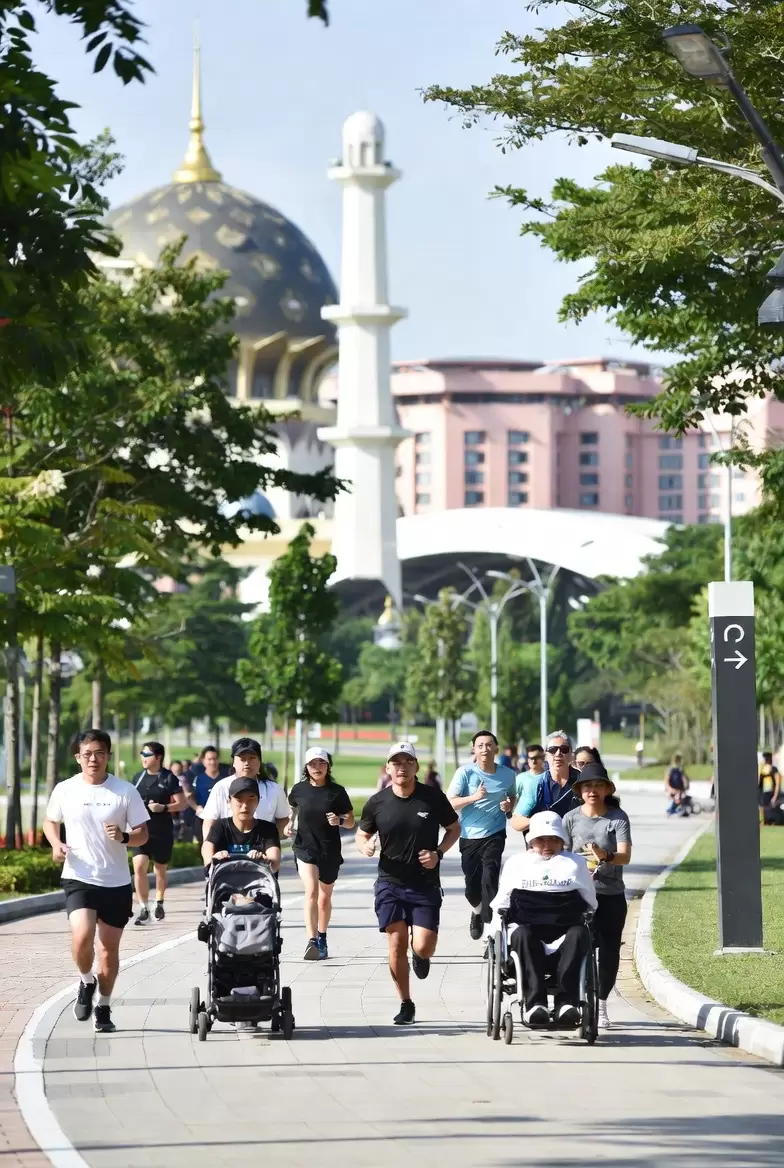
Professional access audits play a vital role in turning policy vision into practical reality. They provide clear baselines, identify cost-effective improvements, and ensure solutions respect local culture, heritage and community needs — helping families, mosque committees, developers and building owners contribute meaningfully to national goals.
The 2026 Inclusion Roadmap: Key Pillars
The roadmap is taking shape through:
- PwD Act Amendments — Expected to strengthen protections, enforcement, reasonable accommodations and redress mechanisms, delivering clearer timelines and standards for accessible buildings and public spaces.
- PwD-Friendly Mosques & Surau Guidelines — National guidelines under the Action Plan for Muslim PwDs to ensure consistent accessibility features (ramps, adapted ablution areas, tactile paving, braille signage, accessible toilets and prayer zones) in religious buildings nationwide.
- Broader Universal Design Push — Continued emphasis on barrier-free infrastructure that benefits everyone — OKU, elderly residents, mothers with prams, delivery workers, families and visitors — as part of smart, inclusive city and community development.
How Access Audits Deliver Real-World Results
Access audits are a practical, respectful way to support this roadmap. They identify opportunities, recommend targeted upgrades and provide professional reports that help with approvals, funding and implementation.
At AccessConsultants.asia, our team has already delivered tangible outcomes in this area:
- Ahmad Syafiq bin Mohd Unzir (Graduate Architect, LAM AG/A 846, PAM G5078) conducted an access audit at Masjid Jamek (Masjid Jamek Sultan Abdul Samad) in Kuala Lumpur, supported by the Persatuan Akitek Malaysia (PAM) Social and Corporate Responsibility (SCR) Committee. Syafiq met with the mosque’s AJK (Ahli Jawatankuasa) to discuss accessibility opportunities and continued discussions with Dr Norwina, contributing to significant improvements at this historic site.
- Daniel Wong (Principal Architect & Qualified Access Consultant) has conducted mosque audits in Malaysia and contributed to temple accessibility projects, including improvements at Tze Yup Temple in Glebe (Sydney’s historic Chinese temple) and design input for a proposed Cambodian temple in Western Sydney.
The full team brings complementary expertise:
- Alexandra (Sandy) Gray – Qualified Access Consultant & Educator (ACAA) – Expert in adaptable housing (AS 4299), access auditing and policy liaison, bridging Australian best practices with Malaysian compliance needs (MS 1184:2014, UBBL By-Law 34A).
- Gary Finn – Principal Architect & Qualified Access Consultant (NSW #5774, ACAA #435) – 40+ years in inclusive design, heritage and SDA projects.
- Chong Yee Jean – Project Architect (LAM Part I) – BIM expert (Archicad), cross-border compliance since 2019.
- Nur Syuhada Binti Che Rahimi – Architectural Executive (LAM & RIBA Part II) – SDA specialist, Archicad proficient since 2019.
These images illustrate inclusive public spaces in action – smooth pathways, barrier-free routes, and accessible features that benefit wheelchair users, families, elderly worshippers, and the wider community. The same universal design principles apply directly to mosques, surau, community buildings and homes.
How You Can Contribute to the 2026 Roadmap
- Conduct Professional Access Audits – Baseline facilities against MS 1183/MS 1184 and anticipated guidelines – identify opportunities in entrances, ablution areas, prayer halls, pathways and toilets.
- Implement Universal Design – Prioritise ramps, grab bars, tactile guidance, braille signage and accessible toilets – cost-effective features that benefit OKU and everyone.
- Engage Stakeholders – Collaborate with committees, experts and communities for respectful, practical solutions.
- Partner with Accredited Consultants – Obtain reports and recommendations to support guideline rollout and future compliance.
AccessConsultants.asia: Proud to Support Malaysia’s Inclusion Journey
We deliver practical, culturally sensitive **accessibility consulting** – tailored to Malaysian values, heritage and multicultural communities. With the team’s combined expertise, we provide cost-effective **barrier-free infrastructure** solutions that align with national priorities.
The Government’s PwD Act amendments and PwD-friendly mosques guidelines are positive, forward-thinking initiatives. Practical audits – as demonstrated at Masjid Jamek and beyond – help realise inclusive spaces for all Malaysians.
Book a Free Wheelchair Access Audit Consultation Today
Sources: Bernama (Feb 7, 2026), The Sun Malaysia (Feb 8–11, 2026), team CVs and professional experience. SEO optimised for OKU inclusion Malaysia 2026, PwD Act amendments 2026, PwD-friendly mosques guidelines, universal design audits 2026, barrier-free religious buildings Malaysia, wheelchair access audit Malaysia.
The Uncomfortable Journey: How Environmental Design Barriers Undermine OKU Self-Empowerment and Independence in Malaysia
- Details
- Parent Category: Articles
The Uncomfortable Journey: How Environmental Design Barriers Undermine OKU Self-Empowerment and Independence in Malaysia
In Malaysia’s journey toward a truly inclusive society, the upcoming amendments to the Persons with Disabilities (PwD) Act 2008 and the RM1.4 billion OKU allocation in Budget 2026 represent important progress. Yet for many OKU — Orang Kurang Upaya — accessing government services remains an exhausting, disempowering experience shaped not by their abilities, but by preventable barriers in the built environment.
From leaving home to returning, these physical obstacles strip away self-empowerment — the ability to make independent decisions that directly impact one’s own life. Whether applying for benefits, renewing documents, attending hearings, or engaging with JKM, DBKL, or other agencies, OKU are too often forced to rely on family members or carers simply to navigate the journey. True independence means deciding for oneself, speaking for oneself, and managing one’s affairs with dignity. When the environment denies this, participation in civic life shrinks, self-confidence erodes, and personal agency is diminished.
At AccessConsultants.asia, we witness this reality daily through our access audits, compliance reviews, and capacity-building programs across Kuala Lumpur, Sydney, and our growing Perth operations. Removing these barriers is not only about OKU — it benefits mothers with prams, delivery workers, older adults, and every Malaysian navigating the city. Safer, covered walkways reduce traffic jams, encourage friendly “hello” moments between neighbours, free older generations from apartment isolation, and foster intergenerational well-being. This is universal design in action — a smart city initiative promoting participation interwoven into everyday Malaysian life, one step at a time.
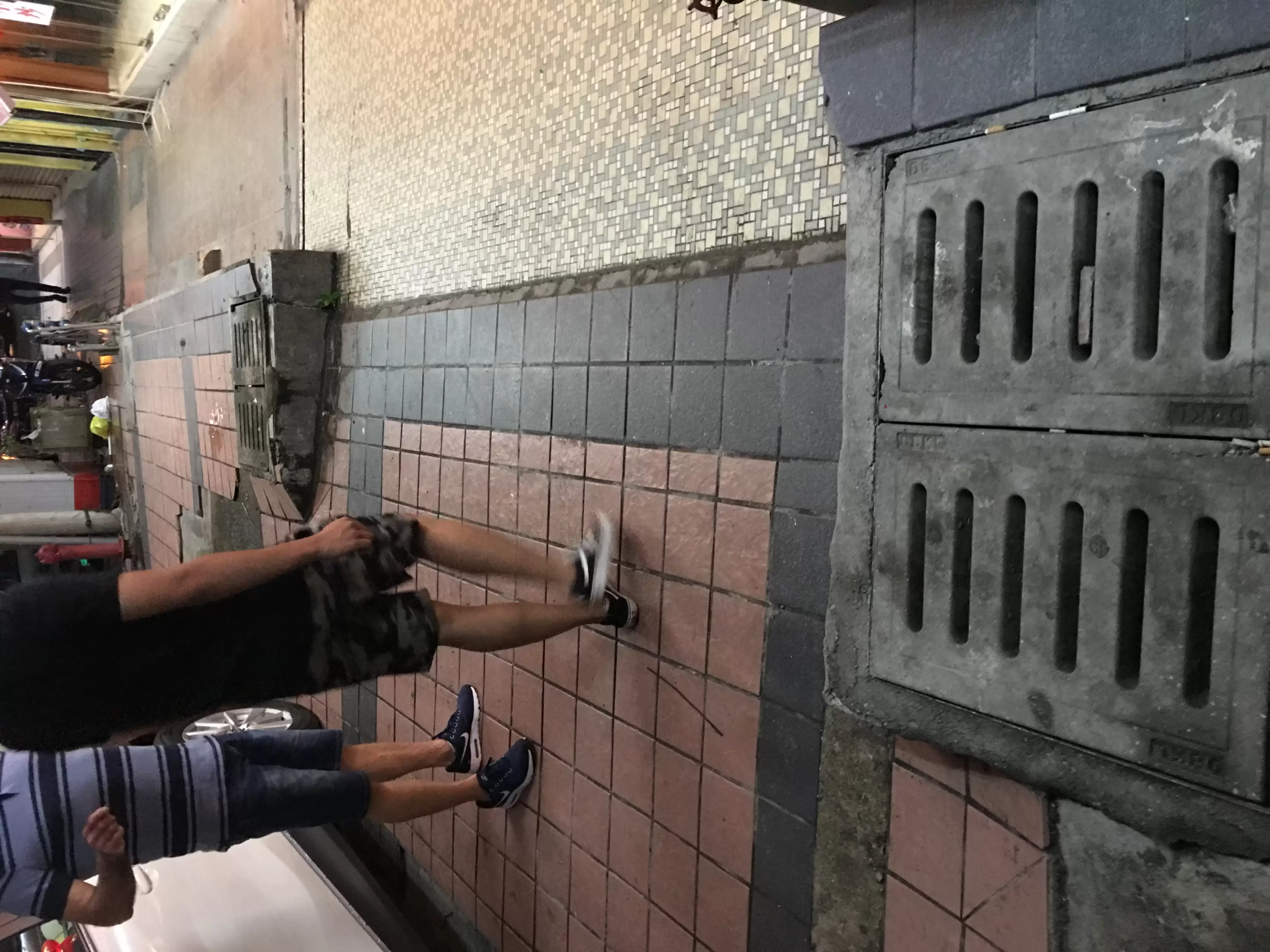
The Outbound Journey: When the Path Itself Steals Independence
The challenges begin at the front door and immediately test self-empowerment.
Uneven sidewalks, missing tactile paving, narrow paths under 1.2 m wide, and obstacles like parked motorcycles force detours onto busy roads. For wheelchair users, this often means depending on others to push or carry them. Visually impaired OKU lose the confidence of independent travel when guiding blocks are absent or damaged and high-contrast signage is missing.
Public transport adds further barriers: inaccessible buses, non-functional lifts at LRT/MRT stations, and platforms without proper edge protection. In Kuala Lumpur and other centres, narrow sidewalks, dangerous drop curbs, and inadequate accessible parking are common complaints. Tropical downpours without covered walkways turn short trips into ordeals.
When every step requires assistance, the simple act of leaving home to handle personal affairs becomes a negotiation rather than a choice. Self-empowerment fades as decisions about timing, route, and even whether to go at all are dictated by the environment and the availability of support.
Arriving at the Agency: First Impressions That Limit Personal Agency
Reaching the government building should feel empowering — a place where one’s voice matters. But, do environmental circumstances signal the opposite?
Many facilities still have entrance steps without compliant ramps (maximum 1:12 gradient, 1500 mm wide, with landings and handrails per MS 1184:2014). Heavy non-automatic doors, distant OKU parking bays, and poor level access require help from others before the visit has even begun.
Inside, confusing wayfinding, inadequate lighting, small lifts without Braille or audible announcements, and complex layouts further erode confidence. When OKU must rely on companions to read signs or locate counters, the message is clear: this space is not designed for you to manage alone.
Inside the Agency: Advocating for Oneself Becomes Harder
At service counters, high fixed desks prevent eye-level, independent communication for wheelchair users. Waiting areas lack space for mobility aids or quiet zones for sensory needs. Meeting rooms without hearing loops or accessible layouts force OKU to raise their voice or depend on others to explain their needs and advocate for their rights.
Inaccessible toilets — doors swinging the wrong way, insufficient transfer space, or missing emergency alarms — add humiliation and practical dependence. These details, governed by MS 1184:2014 Universal Design and Accessibility in the Built Environment and UBBL By-Law 34A, determine whether an OKU can handle their own affairs with dignity or must hand control to someone else.
The return journey, already tiring from the outward challenges, feels even heavier when the entire process has undermined one’s sense of self-reliance. Many OKU postpone essential visits, delaying decisions that affect their health, finances, and future — the very opposite of self-empowerment.
Support Needs Along the Way — and the Power of True Independence
OKU have families and networks too. When the built environment demands constant assistance, entire households carry the load. But when environments enable independence, families gain freedom, relationships strengthen through choice rather than necessity, and communities thrive with more active, confident participants.
Universal design delivers economic and social returns for everyone: fewer trip hazards for delivery riders, easier pram access for young parents, better wayfinding for all, and reduced isolation for seniors. Walkable, covered, barrier-free streets mean fewer cars, less congestion, stronger neighbourhood bonds, and greater well-being across the nation. This is not just about OKU — it is about promoting participation interwoven into everyday life and building a smarter, kinder Malaysia.
Building Self-Empowerment Through Better Design
Compliance with MS 1184:2014 and UBBL By-Law 34A provides the clear roadmap:
- Minimum 1500 mm clear paths, slip-resistant surfaces, gentle gradients
- Tactile paving, high-contrast signage, and automatic doors
- Adequate manoeuvring space, accessible toilets with emergency features
- Integrated lifts, ramps, and sheltered parking with direct routes
- Lighting and acoustics that support independent communication and navigation
Our Malaysian-registered architects and qualified access consultants at AccessConsultants.asia — with PAM involvement, hands-on local audits, and proven experience aligning Australian best practices (AS 1428, adaptable housing) with Malaysian needs — deliver practical, common-sense solutions that restore independence and self-empowerment.
We provide:
- Independent access audits and performance solutions
- Compliance matrices and risk registers for DBKL, JKM, KPWKM submissions
- Capacity-building workshops and PAM/LAM CPD training using real Malaysian case studies
- Regulatory strategy support for government agencies and architectural practices
Whether managing public buildings, designing new developments, or operating facilities in Kuala Lumpur, we help you move beyond minimum compliance to environments where every OKU can make their own decisions, advocate for themselves, and participate fully — with dignity and confidence.
Removing Barriers One Step at a Time
Malaysia stands at a pivotal moment. By prioritising universal design today, we create spaces where OKU exercise genuine self-empowerment and independence in decisions impacting their own lives — while everyone benefits from safer, more convenient, more connected environments.
People with disabilities have families and networks too. When access improves, the customer base for every business and service grows.
Ready to create truly empowering spaces? Contact the team at AccessConsultants.asia today for a professional access audit, training workshop, or compliance review. Operating across Malaysia with hybrid support from Sydney and Perth, we deliver pragmatic, evidence-based solutions that work.
AccessConsultants.asia — Removing barriers to access, one step at a time. Promoting participation interwoven into everyday Malaysian life — and restoring the power of independent decisions to every OKU.
Keywords: OKU access barriers Malaysia, disability access government services Malaysia, MS 1184:2014 compliance, UBBL By-Law 34A, universal design Malaysia, barrier free environment Kuala Lumpur, accessible buildings Malaysia, inclusive design consultant Malaysia, self-empowerment OKU, independent living Malaysia, OKU independence built environment
Let’s build a Malaysia where every journey to government services is dignified, independent, and empowering — because everyone deserves to make their own decisions about their own life.
What Does a Professional Access Report Look Like? A Clear Guide for Malaysian Developers, Architects, and Building Owners
- Details
- Parent Category: Articles
What Does a Professional Access Report Look Like? A Clear Guide for Malaysian Developers, Architects, and Building Owners
In Malaysia’s evolving landscape of accessibility compliance — driven by MS 1184:2014 Universal Design and Accessibility in the Built Environment, UBBL By-Law 34A, and the upcoming amendments to the Persons with Disabilities Act — a well-prepared access report (also called a disability access audit report or compliance report) is essential. It provides evidence-based identification of barriers, practical recommendations, and a roadmap to genuine inclusion.
At AccessConsultants.asia, our Malaysian-registered architects and qualified access consultants — experienced in both MS 1184:2014 and Australian standards like AS 1428 series — deliver detailed, user-friendly access reports accepted by authorities such as DBKL, JKM, KPWKM, and local councils. These reports go beyond checklists; they support submissions, reduce regulatory risk, and promote participation interwoven into everyday life.
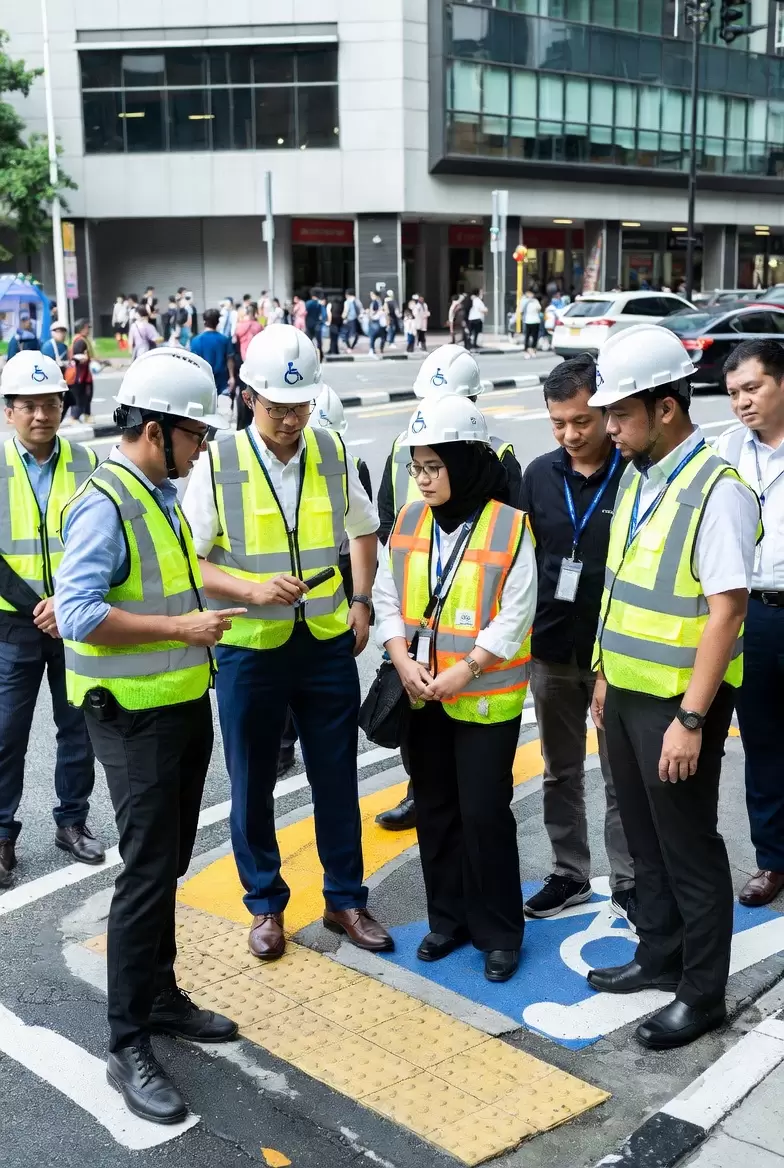
Typical Structure of a Professional Access Report
A high-quality access report is structured for clarity, with visual aids like annotated drawings, photographs, and compliance tables. It typically includes:
Executive Summary
- Overview of the audit purpose, key findings, and overall compliance level.
- Highlights critical barriers and high-priority recommendations.
- Emphasises benefits for the whole community: OKU, families with prams, older adults, delivery personnel, and anyone navigating the space.
Purpose and Scope of the Audit
- Clearly states objectives: Identify barriers to access, assess compliance with MS 1184:2014, UBBL By-Law 34A, and broader intent of the Persons with Disabilities Act.
- Covers risk management under anti-discrimination principles.
- Promotes proactive inclusion: Fixing barriers improves usability for everyone — mothers pushing prams, people carrying items, older visitors — creating safer, more welcoming environments.
Building Elements Reviewed
- Detailed list of inspected areas, such as:
- Connections to principal pedestrian entrances
- Car parking (including designated OKU bays)
- Reception areas and counters
- Circulation spaces (hallways, corridors)
- Stairs, ramps, and vertical access features (lifts)
- Amenities (accessible toilets, ambulant facilities, proposed bathrooms)
- Workrooms, public areas, and ancillary spaces
- Detailed list of inspected areas, such as:
Site Observations and Discussion
- Narrative from the on-site inspection (date, time, duration).
- Real-world behaviour analysis: How people (including OKU, wheelchair users, pram pushers) naturally use the space.
- Photographic evidence (appendixed) showing everyday use, shared spaces, or practical dynamics.
- Risk-based approach: Where low-traffic or pedestrian-oriented areas function safely without major changes, aligned with universal design principles.
Time on site usually averages around an hour for a focused audit of a typical building or facility, though this can extend depending on size, complexity, number of levels, and specific elements reviewed. Our team — including experts like Ahmad Syafiq (with Certificate IV equivalency in Access Consulting and hands-on Malaysian audits), Alexandra (Sandy) Gray (Qualified Access Consultant and ACAA member), and our architects with extensive audit experience — ensures thorough yet efficient site visits.
Snapshot of Key Access Issues
- Prioritised summary of critical non-compliances.
- Illustrated with annotated plan snippets or marked-up drawings (e.g., Appendix with photos and diagrams highlighting gradients, door widths, grab bar heights, tactile paving gaps).
Detailed Compliance Assessment and Recommendations
- Item-by-item review against MS 1184:2014 requirements (e.g., ramp gradients max 1:12, minimum 1500 mm clear paths, slip-resistant surfaces, high-contrast signage, Braille/lift announcements).
- Priorities based on impact:
- High priority: Parking, safe entry/exit, accessible toilets/showers — essential for independent access.
- Medium priority: Public areas, staff workspaces.
- Low priority: Ancillary facilities.
- Practical, proportionate solutions: Performance-based options where strict compliance is challenging, cost estimates, and staging advice.
- Integration into Disability Access and Inclusion Plans (DAIP) or equivalent strategies.
We are passionate advocates for disability access and inclusion, committed to creating equitable built environments. At the same time, we are practical people with a good grasp of the concept relating to undue hardship (or equivalent considerations under Malaysian law and anti-discrimination principles). Where full compliance would impose disproportionate costs, structural impossibilities, or excessive burdens on owners, we explore balanced, performance-based solutions that achieve meaningful access without causing undue hardship — always aligned with local enforcement realities and the intent to promote dignity and participation.
Appendices
- Marked-up drawings and plans.
- Site photographs with timestamps and annotations.
- Compliance checklists or matrices.
- References to standards (MS 1184:2014, UBBL, Australian equivalents where bridging best practices).
The report uses a user-friendly, accessible format — clear headings, bullet points, tables, and visuals — making it easy for clients, architects, contractors, and authorities to understand and implement.
Why This Matters in Malaysia Today
With stronger enforcement on the horizon and Budget 2026’s RM1.4 billion OKU focus, access reports are key tools for:
- DBKL/JKM submissions
- Reducing complaint risks
- Achieving genuine inclusion that benefits everyone — fewer trip hazards, better wayfinding, covered paths reducing weather issues, less congestion, stronger community interactions, and improved well-being across generations.
This is a smart city initiative: Promoting participation interwoven into everyday Malaysian life, one step at a time.
Our Team Delivers Trusted Access Reports
Our Kuala Lumpur-based experts — including Part I and Part II architects with hands-on experience in MS 1184:2014 audits, NDIS/SDA projects, and Australian standards alignment — produce reports that:
- Use BIM tools (Archicad) for precise documentation
- Include performance solutions and regulatory strategies
- Support PAM/LAM CPD training and authority liaison
Whether auditing a commercial building, residential development, hotel, or public facility in Kuala Lumpur, Penang, or beyond, we deliver pragmatic, common-sense advice that restores independence and self-empowerment for OKU while expanding your customer base. People with disabilities have families and networks too — who doesn’t want more customers?
Ready for a professional access audit and detailed report tailored to MS 1184:2014 and your project needs? Contact the team at AccessConsultants.asia today. Operating across Malaysia with hybrid support from Sydney and our emerging Perth market, we help you remove barriers one step at a time.
AccessConsultants.asia — Removing barriers to access, promoting participation in everyday life.
Keywords: access report Malaysia, disability access audit report, MS 1184:2014 compliance report, OKU access audit, barrier free building report Kuala Lumpur, universal design audit Malaysia, accessible building compliance report, DBKL access submission report, JKM OKU audit, undue hardship access solutions Malaysia, performance-based access report
Let’s create spaces where everyone can participate independently and with dignity.