


Latest Architectural Design Trends Worldwide for Dementia Care Housing Projects
As global populations age rapidly, the demand for innovative, inclusive dementia care housing is escalating. Worldwide, over 55 million people live with dementia in 2026, projected to triple by 2050, driving architects and access consultants to prioritize universal design principles that promote participation interwoven into everyday life. These trends emphasize eliminating barriers for disability access, which benefits everyone—from mothers with prams to people delivering things—while enhancing wayfinding through the city and eliminating trip hazards. By fostering safe, convenient walking paths covered from heavy weather, improved access to public transport, and fewer traffic jams, communities can encourage people to get familiar with each other, say hello as they stroll neighborhoods, and promote young-old interactions. This boosts well-being across the nation, not just for OKU (Orang Kurang Upaya), but as a smart city initiative promoting participation in everyday life for all.
Emerging Global Trends in Dementia Care Housing
Architectural design for dementia care is shifting toward person-centered, sustainable, and tech-integrated environments that mimic home-like settings, drawing from models like the Netherlands' Hogeweyk "dementia village" and evolving worldwide. Key trends in 2026 include:
- Intergenerational and Hybrid Models: Repurposing vacant commercial spaces into centers combining senior care, childcare, and wellness services to combat isolation and support caregivers. This adaptive reuse trend, seen in urban areas globally, blends independent living with assisted care under one roof, allowing aging in place with larger two- and three-bedroom units.
- Therapeutic, Home-Like Designs: Moving away from institutional layouts to intimate "household models" with 8-12 residents sharing kitchens and living areas. Features include simple floor plans, natural light, calming colors, sensory gardens, and secure wandering paths to reduce anxiety and enhance autonomy. High-contrast materials aid navigation for diminishing eyesight, aligning with dementia-friendly innovations.
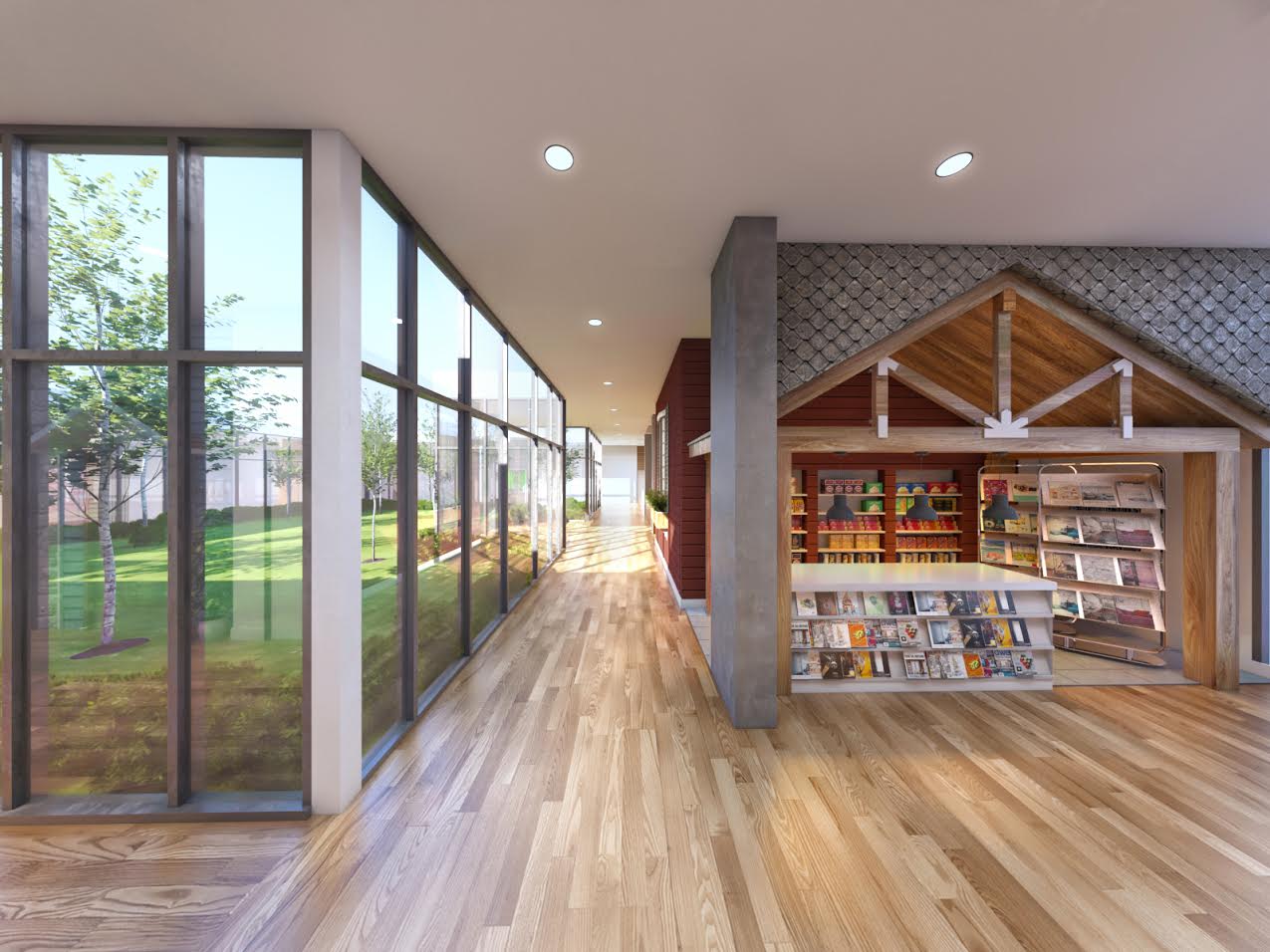
- Biophilic and Sustainable Integration: Biophilic design is now standard, incorporating natural elements like vertical greenery, outdoor views, and eco-friendly materials to lower stress and improve cognitive health. Sustainability trends feature net-zero buildings, energy-efficient systems, and green rooftops, reducing carbon footprints while creating resilient, wellness-focused spaces.
- Smart Technology and Wellness Amenities: AI-assisted monitoring, telehealth, and smart homes bridge urban-rural divides, with multilingual apps for family connectivity. Trends include circadian lighting, acoustic control, and "invisible infrastructure" for seamless support, plus resort-style amenities like bars and gathering spaces.

These designs comply with global standards like Australia's NCC and AS 1428, while inspiring adaptations in emerging markets.
Cultural Considerations in Malaysian Dementia Care
Malaysia's multicultural tapestry—encompassing Malay, Chinese, Indian, and indigenous communities—demands dementia care housing that respects collectivism, filial piety, and religious norms, where families often lead caregiving. Stigma and the urban-rural divide pose challenges, but aligning with MS 1184:2014 Universal Design and UBBL By-Law 34A can create equitable built environments. Culturally safe features, like prayer rooms and multilingual tech, honor diverse needs, reducing caregiver burden and fostering community ties.
Adapting Worldwide Models to Malaysian Contexts
Global trends can be hybridized for Malaysia using performance-based design briefs and capacity-building workshops. For instance, dementia villages could evolve into "kampung clusters" with adaptable housing per AS 4299, incorporating local elements like communal dining for ethnic cuisines. At AccessConsultants.asia, our qualified access consultants and architects—experienced in NCC, SEPP, and UBBL—provide compliance reviews, audits, and training to bridge Australian best practices with Malaysian enforcement, minimizing risks and maximizing inclusive outcomes.

Conclusion: Building Inclusive Futures Worldwide
Worldwide trends in dementia care housing—emphasizing neuro-inclusive, sustainable, and intergenerational designs—are transforming lives by removing barriers to access one step at a time. People with disabilities have families and networks too, and who doesn’t want more customers? This approach creates vibrant, fairer societies where participation is interwoven into everyday life.
For expert guidance on inclusive dementia design in Malaysia, Sydney, or our emerging Perth market, contact AccessConsultants.asia today. Let's eliminate barriers and promote smart city initiatives together.