


Biophilic Design in Dementia Care: Enhancing Well-Being Through Nature Connection
In the evolving landscape of dementia care housing, biophilic design stands out as a powerful, evidence-based approach that reconnects residents with nature to support cognitive health, reduce agitation, and promote emotional comfort. By incorporating natural elements—such as greenery, natural light, organic materials, water features, and outdoor views—into built environments, biophilic design creates calming, restorative spaces that align with universal design principles. This fosters participation interwoven into everyday life, eliminates barriers to access one step at a time, and benefits everyone: residents, families, caregivers, mothers with prams, delivery personnel, and the wider community through improved wayfinding, reduced trip hazards, and safer, more convenient neighborhoods.
As dementia prevalence rises globally—with projections highlighting the need for thoughtful, inclusive solutions—biophilic design offers pragmatic, common-sense benefits that enhance quality of life while supporting Malaysian compliance with MS 1184:2014 Universal Design and UBBL By-Law 34A.
Key Benefits of Biophilic Design for Dementia Care
Evidence from studies and systematic reviews demonstrates clear advantages for people living with dementia:
- Stress and Agitation Reduction — Natural elements lower anxiety, depressive symptoms, and behavioral agitation, creating therapeutic environments that promote calm.
- Cognitive Support — Exposure to nature improves memory, focus, and emotional well-being, aiding cognitive clarity and reducing confusion.
- Sensory and Emotional Enhancement — Multisensory stimulation through greenery, natural light, and tactile materials boosts positive mood, social interaction, and overall psychological health.
- Physical and Social Gains — Accessible gardens and indoor-outdoor connections encourage movement, socialization, and better air quality, while alleviating caregiver burden.
These outcomes stem from biophilic principles that mimic natural settings, supporting non-pharmacological interventions and aligning with global research on nature's healing effects.
Latest Trends in Biophilic Design for Dementia Care (2025-2026)
In 2025-2026, biophilic design has become integral to senior and memory care, driven by wellness-focused trends:
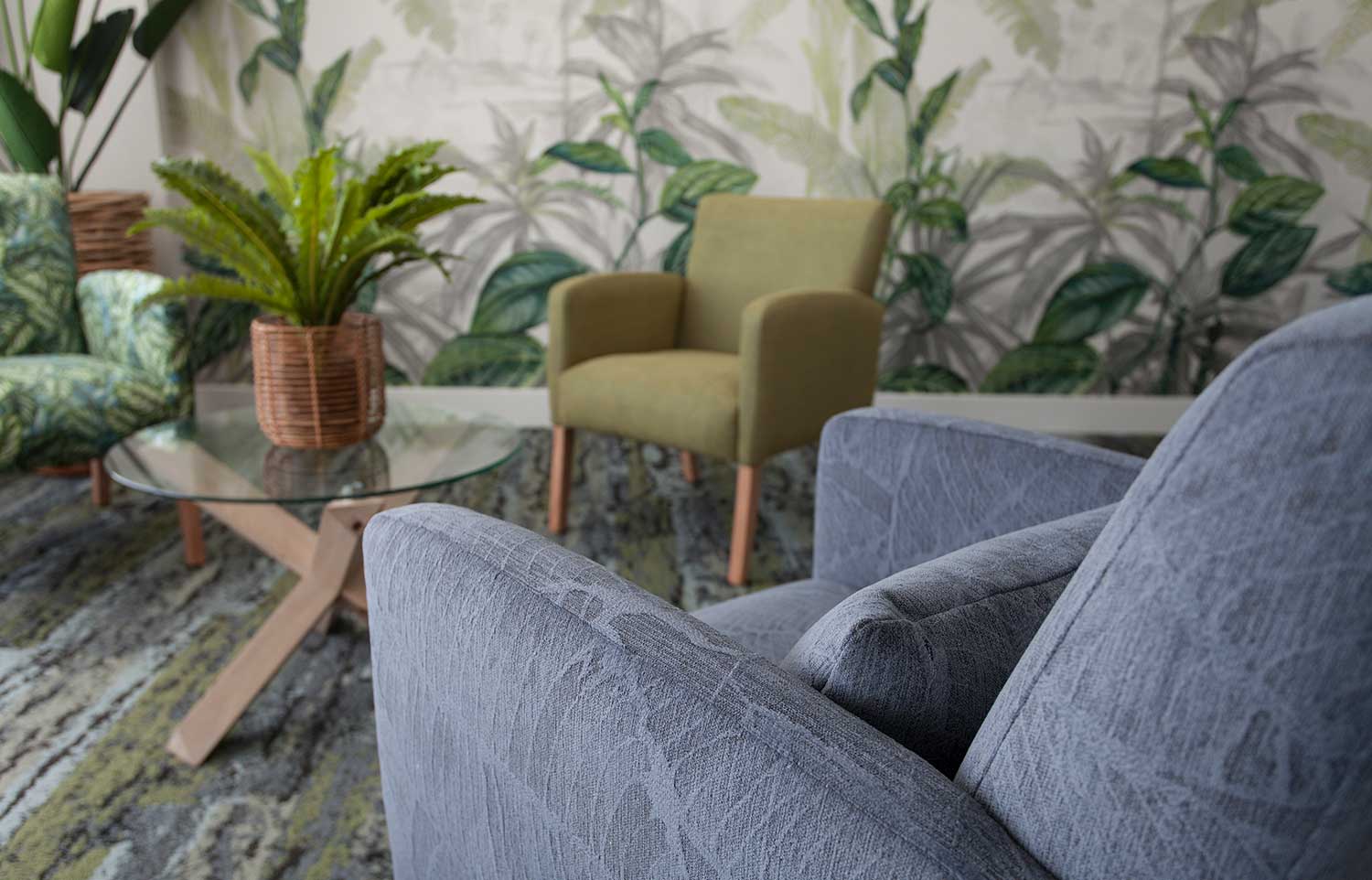
- Intentional Sensory Environments — Facilities prioritize nature-inspired elements like indoor gardens, green walls, living roofs, and sensory gardens to engage senses safely and reduce agitation.
- Indoor-Outdoor Integration — Large windows, courtyards, and secure wandering paths with natural views create seamless connections, supporting autonomy in household models.
- Sustainable and Wellness-Driven Features — Circadian lighting, natural materials (wood, stone), vertical greenery, and eco-friendly systems enhance mental health and cognitive function while promoting sustainability.
- Hybrid and Adaptive Designs — Repurposed spaces blend biophilic elements with intergenerational hubs, using AI tools for façade personalization and ensuring accessibility.
These trends appear in luxury and community projects, emphasizing hospitality, wellness as a lifestyle, and evidence-based strategies for ageing in place.


Cultural Considerations and Adaptations for Malaysia
Malaysia's multicultural society—Malay, Chinese, Indian, and indigenous communities—values family caregiving, filial piety, and religious practices. Biophilic design can be adapted sensitively: incorporating local flora in gardens, prayer-friendly outdoor spaces, and communal areas reflecting diverse ethnic elements. Addressing urban-rural divides, designs with covered walkways, safe pedestrian paths, and improved public transport access promote participation for all ages, encouraging intergenerational interactions and neighborhood connections where people say hello during strolls.
This isn't just about OKU; it's a smart city initiative eliminating barriers, reducing traffic jams, and boosting national well-being through equitable built environments.
How AccessConsultants.asia Supports Biophilic Dementia Care Projects
At AccessConsultants.asia, our team of qualified access consultants and architects—including experts like Alexandra (Sandy) Gray (specializing in adaptable housing, inclusive design, and training), Daniel Wong (with deep experience in equitable senior housing), and graduates proficient in NDIS/SDA, NCC, and Malaysian UBBL submissions—excels in integrating biophilic principles with accessibility compliance.
We deliver access audits, performance solutions, regulatory strategy for DBKL, JKM, and KPWKM submissions, and capacity-building workshops using real demonstrative case studies. Our Australia-Malaysia hybrid model bridges best practices, minimizing risks and maximizing social and economic benefits for inclusive dementia care housing in Malaysia, Sydney, and our emerging Perth market.
Conclusion: Nature-Connected Futures for Dementia Care
Biophilic design transforms dementia care housing into nurturing, health-promoting spaces that remove barriers one step at a time, enhancing dignity, participation, and community vitality. People with disabilities have families and networks too, and who doesn’t want more customers? By eliminating access barriers and weaving nature into everyday life, we create fairer, smarter societies.
For expert guidance on biophilic, inclusive dementia design solutions in Malaysia, Sydney, or Perth, contact AccessConsultants.asia today. Let's promote participation interwoven into everyday life together.