


Why Shopping Malls Dominate in Malaysia: Air Conditioning, Parking, Safety, and Accessibility – And How to Bring That Appeal Back to KL Streets
Kuala Lumpur, February 27, 2026 — In Malaysia’s vibrant retail landscape, shopping malls have become more than just places to buy goods—they’re air-conditioned sanctuaries, social hubs, and all-in-one destinations that dominate daily life. From massive complexes like Pavilion KL, Mid Valley Megamall, and Suria KLCC to emerging ones in the suburbs, Malaysians flock to malls in huge numbers. But why do they outshine traditional street shopping in Kuala Lumpur and beyond?
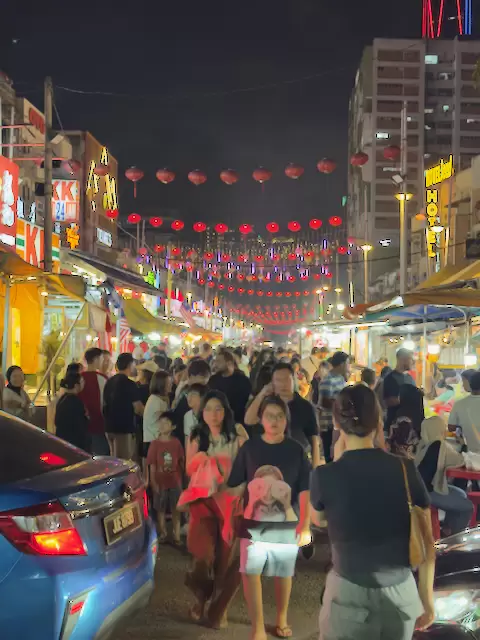
Bukit Bintang streets are a very popular venue for the evening
Key Reasons Malaysians Love Shopping Malls
Malaysia’s tropical climate, urban lifestyle, and practical needs drive mall popularity:
- Air Conditioning and Climate Refuge With year-round heat (32–35°C) and humidity, plus sudden heavy downpours, malls offer a cool, dry escape. Locals describe entering a mall as stepping into an “ice box”—a welcome relief that turns them into community centres for families, friends, and errands. This comfort factor makes malls ideal for long visits, far beyond quick shopping trips.
- Ample, Convenient Parking and Easy Access Malls provide thousands of covered parking spots, often with direct indoor access via lifts or escalators—no circling busy streets or dealing with rain-soaked vehicles. This convenience is a game-changer for families with children, seniors, or those carrying heavy bags.
- Safer, Barrier-Free Pedestrian Experience Wide, level pathways, automatic doors, ramps, lifts, and dedicated accessible parking bays minimize risks like vehicle collisions, uneven pavements, or poor lighting. Many malls comply with MS 1184:2014 (Universal Design and Accessibility in the Built Environment) and UBBL By-Law 34A, offering grab bars, tactile paving, braille signage, and spacious facilities—making them inclusive for persons with disabilities (PwD), wheelchair users, parents with prams, and the elderly.
- All-in-One Experience and Entertainment Beyond retail, malls feature food courts, cinemas, play areas, events, gyms, and green spaces. They’re social gathering points where people “live” part of their day—meeting friends, dining, or escaping the outdoors—creating a lifestyle appeal street markets often lack.
These elements explain why malls rank as top domestic tourist attractions and why urban Malaysians spend weekends there, even as some face oversaturation challenges.
Revitalizing KL Streets: Re-Introducing Mall-Like Appeal to Traditional Shopping Areas
KL’s historic streets—Petaling Street (Chinatown), Jalan Tuanku Abdul Rahman, Central Market, and heritage shophouse zones—offer authentic bargains, street food, culture, and energy malls can’t match. Recent upgrades (e.g., Petaling Street beautification and alleys like Jalan Sang Guna or Kwai Chai Hong) show revival potential. To compete and draw crowds back, focus on borrowing mall strengths while preserving street charm:
- Enhance Climate Comfort Add covered walkways, shaded canopies, misting fans, trees, and outdoor seating with fans or evaporative cooling. Create “outdoor mall zones” that feel refreshing without losing open-air vibrancy.
- Improve Parking and Safe Drop-Offs Build nearby multi-level public parking with sheltered pedestrian links (covered bridges, lifts). Prioritize accessible parking close to entrances, wide paths (min 1,200mm), ramps, and tactile features per MS 1184:2014—reducing vehicle-pedestrian risks and welcoming families, PwD, and seniors.
- Boost Pedestrian Safety and Universal Access Pedestrianize sections, widen footpaths, add traffic calming, better lighting, and clear signage. Integrate universal design—level surfaces, grab rails, braille/tactile maps—to mirror mall inclusivity and attract diverse users who avoid streets due to mobility barriers.
- Build “Experience” Hubs Host events, pop-up markets, upgraded street food, cultural performances, Wi-Fi, and clean facilities. Combine heritage restoration with modern touches like green pockets and seating to blend authenticity with comfort.
- Embrace Inclusivity for Broader Appeal Accessible streets welcome entire communities—people with disabilities have families and networks too, and who doesn’t want more customers? Framing upgrades as community benefits resonates in Malaysia, boosting goodwill and footfall.
AccessConsultants.asia specializes in disability access consulting, universal design, and accessibility compliance in Malaysia (Kuala Lumpur focus), Sydney, and emerging Perth markets. Wholly owned and operated by Architects GJ Finn and DW Wong, our architect-led team bridges Australian best practices (AS 1428, AS 4299, NDIS/SDA) with local standards (MS 1184:2014, UBBL By-Law 34A, DBKL/JKM/KPWKM submissions). We deliver access audits, compliance reviews, performance solutions, regulatory strategy, and capacity-building workshops for developers, councils, and businesses creating equitable public spaces.
Inclusive design—whether in malls or revitalized streets—enhances safety, accessibility, and economic value. Contact AccessConsultants.asia for expert support on your Malaysian project, from audits to training.
SEO Tags: shopping malls Malaysia, why malls popular Malaysia, KL street shopping revival, universal design Malaysia, MS 1184:2014 compliance, accessibility consultant Kuala Lumpur, inclusive design KL, disability access Malaysia, Petaling Street upgrade, barrier-free public spaces Malaysia
This article is informational and promotes discussion on inclusive urban development.