


Intergenerational Housing in Malaysia: History, Current Context, and a Promising Outlook for Inclusive, Accessible Living
Intergenerational housing – where multiple generations of a family live together or in close proximity – is experiencing a strong resurgence in Malaysia. This trend aligns perfectly with universal design principles and MS 1184:2014 compliance, creating homes that support everyday participation for everyone. At AccessConsultants.asia, we help architects, developers, and government bodies deliver practical, barrier-free solutions that benefit families, seniors, parents with prams, delivery personnel, and people with disabilities alike.

A Rich Cultural History For generations, Malaysian families across Malay, Chinese, Indian, and indigenous communities have lived in extended households. Traditional kampung homes and ancestral houses naturally accommodated grandparents, parents, children, and even aunts and uncles under one roof. This model embodied filial piety, shared responsibilities, and strong family networks – values still deeply respected today. Elders provided wisdom and childcare, while younger members offered support and energy. These arrangements promoted natural interaction and wellbeing long before the term “intergenerational housing” existed.
Current Context: Urban Pressures Meet Family Values Rapid urbanization, rising property prices (averaging 4.8% annual growth), and an aging population are reshaping housing needs. By 2030, 15.3% of Malaysians will be aged 65 and above (World Bank data). Many families now form the “sandwich generation,” balancing care for young children and aging parents.
DOSM surveys show 35% of households choose multi-generational living for affordability, while 60% of those aged 40+ prefer living with or near extended family. In Kuala Lumpur, studies reveal moderate satisfaction with current arrangements, but highlight common pain points: unsuitable designs for multi-gen needs, lack of privacy in high-rises or terraces, and insufficient accessibility features like step-free entries or wide doorways.
These challenges affect not only seniors but entire families – including those with a member who has a disability. Current housing often fails to support seamless daily life, leading to isolation or extra strain.
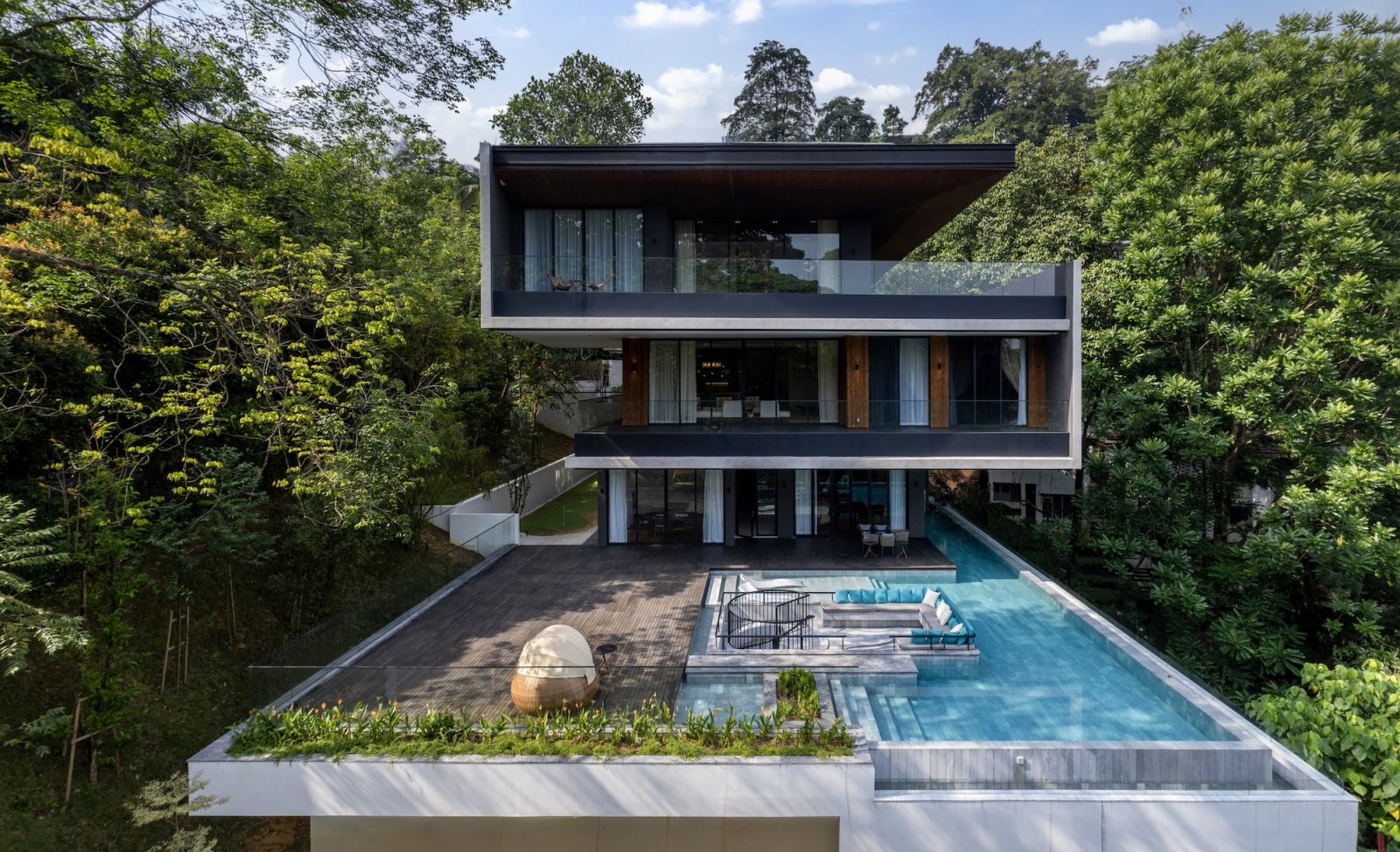
A Bright Outlook: Smart, Inclusive Housing for 2026 and Beyond The future looks positive. Developers are responding with dual-key units, flexible layouts, and multi-functional spaces in both landed properties and high-rises. Under the 13th Malaysia Plan and Budget 2026 priorities, the government targets one million affordable homes (2026–2035) and is exploring incentives for senior-friendly and multigenerational designs.
Amendments to the Persons with Disabilities Act, stronger enforcement of MS 1184:2014 and UBBL By-Law 34A, and growing demand for universal design are accelerating change. Trends include:
- Car-lite, walkable neighbourhoods with covered paths and wayfinding.
- Adaptable homes that evolve with life stages (zero-step entries, accessible bathrooms, lift options).
- Integrated townships offering proximity to healthcare, schools, and community spaces.
Gen Z buyers favour condos (84% of recent purchases), but the overall market is shifting toward homes that support extended families comfortably.
Why Intergenerational Housing with Universal Design Benefits Everyone Well-designed multi-generational homes remove barriers one step at a time:
- Seniors age in place safely, staying connected rather than isolated in apartments.
- Parents manage prams and daily tasks easily.
- Children and youth learn from elders through natural interactions.
- People with disabilities and their families gain independence and dignity.
- Society enjoys fewer traffic jams, stronger community bonds, and improved national wellbeing.
This is not only about OKU – it is a smart city initiative that promotes participation interwoven into everyday life. Safer walking paths encourage neighbours to say “hello,” while inclusive features support mothers with prams, delivery workers, and everyone navigating heavy weather or trip hazards.

How AccessConsultants.asia Supports Your Project Our hybrid Australia-Malaysia team – including Qualified Access Consultants experienced in AS 4299 Adaptable Housing and MS 1184:2014 alignment – delivers:
- Independent access audits and compliance matrices.
- Site-specific recommendations and performance solutions.
- Capacity-building workshops and CPD training for architects and facilities managers.
- Regulatory strategy support for DBKL, JKM, and KPWKM submissions.
We bridge proven Australian best practices with local Malaysian needs, empowering architects through real demonstrative case studies while ensuring practical, enforceable outcomes.
Whether you are a developer planning new townships in Kuala Lumpur, an architect in Sydney or Perth seeking cross-border expertise, or a government agency preparing for stronger accessibility enforcement, our services deliver immediate social and economic benefits.
Ready to build more inclusive, future-ready homes? Contact us at This email address is being protected from spambots. You need JavaScript enabled to view it. or visit AccessConsultants.asia today.
Removing barriers. Promoting participation. One inclusive home at a time.
Keywords: intergenerational housing Malaysia, multigenerational homes Malaysia, universal design housing Malaysia, accessible senior housing KL, MS 1184:2014 adaptable homes, inclusive design families Malaysia, disability access consultant Malaysia, smart city housing Malaysia.