

Recent Articles
Chinese New Year 2026: Embrace the Fiery Year of the Horse | AccessConsultants.asia – Universal Design Malaysia
- Details
- Parent Category: Articles


Gong Xi Fa Cai! Ignite Your Year with the Fiery Energy of the Horse – Chinese New Year 2026 at AccessConsultants.asia
Imagine the thunder of hooves charging forward, flames trailing behind, full of unstoppable passion, freedom, and bold breakthroughs. That's the spirit bursting onto the scene right now — Chinese New Year 2026 has arrived, welcoming the dynamic Year of the Fire Horse starting February 17!
From our Kuala Lumpur heart to friends in Sydney, the emerging Perth scene, and communities everywhere, the AccessConsultants.asia team is lighting red lanterns (virtually and in spirit) to wish you explosive prosperity, vibrant health, and barrier-free success. Gong Xi Fa Cai! 新年快乐! May this rare Fire Horse year (last seen in 1966!) gallop you toward exciting new horizons.
Why the Fire Horse Feels Electric This Year
The Horse — seventh in the Chinese zodiac — embodies independence, confidence, adventure, hard work, and that irresistible urge to run free. Add the blazing Fire element, and 2026 becomes a powerhouse of energy: passion ignites ideas, momentum accelerates progress, leadership shines, and creative sparks fly everywhere.
Picture it: nostrils flared, tail on fire, charging ahead with grace and determination. This isn't just zodiac fun — it's a perfect metaphor for the inclusive, forward-moving spaces we design every day. In a year screaming "move boldly," universal design and accessibility become even more essential: wide-open pathways for effortless freedom, intuitive layouts that empower everyone to charge forward without restraint, and features that celebrate strength and resilience for people of all abilities.
Our Multicultural Team Gallops Together
Our Kuala Lumpur-based experts — deeply connected to Malaysia's rich cultural tapestry — bring this harmonious energy to life:
- Chong Yee Jean (Project Architect, fluent in Mandarin & Cantonese): Coordinating cross-border magic like a true Horse — remote Australian SDA projects meet seamless Malaysian submissions, always pushing efficiency with BIM mastery.
- Daniel Wong (Principal Architect & Access Consultant): With Malaysian roots and PAM CSR passion, he delivers pragmatic, culturally attuned solutions that let communities move freely — from heritage sites to modern developments.
- Ahmad Syafiq Bin Mohd Unzir (Graduate Architect): Blending local mosque audits with international standards, he's all about Performance Solutions that clear paths for everyone.
- Nur Syuhada Binti Che Rahimi (Architectural Executive): Specializing in NDIS/SDA-compliant designs, she ensures remote teams stay in sync and projects deliver dignity and independence.
This diverse, multilingual crew (English, Malay, Mandarin, Cantonese) mirrors the inclusive spirit of Chinese New Year — celebrating unity in diversity while respecting every cultural thread in Malaysia.
Galloping Toward Inclusive Breakthroughs in 2026
The Fire Horse urges bold action — exactly what we're channeling at AccessConsultants.asia:
- Tackling MS 1184:2014 compliance and UBBL By-Law 34A with fresh energy for architects and developers.
- Delivering hands-on training that equips Malaysian professionals for stronger PwD Act enforcement ahead.
- Partnering locally to embed universal design early — ramps that feel like open roads, visual cues that guide like clear horizons, and spaces where no one is held back.
Just as the Horse hates restrictions, we design environments that liberate: high-contrast signage for clear "communication," wide corridors for graceful movement, and inclusive features in mosques, childcare centres, residences, and public buildings that benefit families, seniors, tourists, and the OKU community alike.
Let's Charge into an Inclusive, Prosperous Year Together!
As fireworks crackle and red envelopes exchange good fortune, let's harness this fiery momentum. Whether you're planning a new project in Kuala Lumpur, Sydney, or Perth, we're your partner for independent access audits, design reviews, regulatory strategy, and capacity-building workshops that make inclusion the default — not an extra.
From our team to yours: May the Year of the Fire Horse bring you unstoppable energy, joyful connections, and barrier-free paths to success.
Ready to gallop forward? Reach out today! Phone: +60 3-2779 7117 Email: This email address is being protected from spambots. You need JavaScript enabled to view it. Website: AccessConsultants.asia
From Hand Signals to Universal Design: AccessConsultants.asia’s Commitment to True Inclusion in Malaysia
- Details
- Parent Category: Articles
From Hand Signals to Universal Design: AccessConsultants.asia’s Commitment to True Inclusion in Malaysia
In everyday life, when words fail us — whether speaking to someone from another country, across a noisy room, or in a high-stress moment — what do we instinctively do? We start using hand signals. We gesture, point, mime, and rely on visual cues to bridge the gap. This simple human response reveals a profound truth: a language barrier shares striking similarities with deafness. Both situations force people to adopt alternative means of communication — visual, gestural, and non-verbal — to connect and participate.
At AccessConsultants.asia, we see this parallel every day in our work as a disability access consultant and universal design specialist. Just as language barriers compel creative adaptation, physical and sensory barriers in the built environment push people with disabilities — including those who are deaf or hard of hearing — to navigate unnecessary challenges. Our mission is to eliminate those barriers through thoughtful, inclusive design so that everyone can participate fully, without having to “make do.”
Our Deep Commitment to Inclusion
We are committed to creating built environments where no one is left behind. Operating as Sydney Access Consultants (Malaysia) PLT from our Kuala Lumpur office, we bring proven international expertise while maintaining a strong Malaysia-first approach. Our team of Malaysian-registered architects and access specialists understands local contexts, cultural sensitivities, and regulatory realities.
We believe universal design is not just about compliance — it is about dignity, equity, and economic sense. Whether for mosques, commercial buildings, public facilities, or residential developments, inclusive spaces benefit everyone: families with young children, seniors, tourists, and people with disabilities alike.
Our Initial Approach: Practical, Collaborative, and Local
From day one, we have focused on delivering tangible value through four integrated pillars tailored to Malaysia’s evolving landscape:
- Compliance Advisory & Design Reviews — Independent access audits, detailed compliance matrices, and practical recommendations aligned with MS 1184:2014 (Universal Design and Accessibility in the Built Environment) and UBBL By-Law 34A.
- Regulatory Strategy & Approvals Support — Clear roadmaps and liaison with key authorities including DBKL, JKM, and KPWKM to streamline approvals.
- Capacity-Building Training — Hands-on workshops for architects, engineers, and facilities managers, using real Malaysian projects as live case studies.
- Implementation Support — On-site guidance and collaborative delivery through partnerships with local architectural firms.
Our hybrid model combines Australian best practices in accessibility (NCC and AS 1428 standards) with deep local knowledge. Led by a core team of PAM- and LAM-connected professionals in Kuala Lumpur, we ensure solutions are practical, cost-effective, and culturally appropriate for Malaysia’s multicultural society.
Language Barriers, Deafness, and the Power of Alternative Communication
The analogy between language barriers and deafness is particularly powerful. When verbal communication breaks down, we naturally shift to gestures and visual signals — the very foundations of sign language and visual communication used by Deaf communities. Poorly designed buildings create similar “communication breakdowns” in the physical world: missing visual fire alarms for deaf users, inaccessible information signage, or spaces that exclude people who rely on lip-reading or clear sightlines.
Universal design addresses this by providing multiple means of access and communication from the outset — wide corridors, high-contrast signage, hearing loops, visual alarms, and intuitive layouts. These features don’t just help people with disabilities; they make spaces better for everyone, just as clear, simple language helps both native and non-native speakers.
Our Future Strategy: Scaling Inclusion Across Malaysia, Sydney & Perth
Looking ahead, we are accelerating our impact with a clear, ambitious strategy:
- Expanded Training & Thought Leadership — Roll out modular certification programs for Malaysian architects and developers, preparing them for stronger enforcement under the upcoming PwD Act 2008 amendments (expected in 2026). These will include practical modules on MS 1184 compliance, heritage-sensitive design, and inclusive communication features.
- Deeper Local Partnerships — Formalise more MOUs with PAM and LAM practices to co-deliver projects and embed accessibility early in the design process.
- Multimodal & Multicultural Accessibility — Extend our own digital presence (including this website) with enhanced multilingual support, visual aids, and inclusive content — mirroring the alternative communication strategies we advocate in the built environment.
- Geographic Growth — Strengthen our core operations in Kuala Lumpur while supporting clients in Sydneyand the rapidly emerging Perth market. This creates a powerful Asia-Pacific network for knowledge sharing and consistent high standards.
- Policy Engagement — Continue contributing insights to government consultations as Malaysia moves toward enforceable accessibility standards, time-bound compliance, and meaningful participation for the OKU community.
Our goal is simple yet transformative: to make inclusive design the default in Malaysia, not an afterthought.
Partner With Us for a More Inclusive Future
Whether you are an architect seeking practical guidance, a developer preparing for regulatory changes, or a government agency aiming to lead by example, AccessConsultants.asia is your trusted partner.
Contact our Kuala Lumpur team today for an independent access audit, design review, or tailored training session. Together, we can move beyond hand signals and temporary workarounds toward environments where everyone communicates, participates, and thrives — naturally.
Ready to break barriers? Call +60 3-2779 7117 or email This email address is being protected from spambots. You need JavaScript enabled to view it. Visit: AccessConsultants.asia
Essential Accessibility Obligations for Architects, Developers and Building Professionals in Malaysia
- Details
- Parent Category: Legislation
MS 1184:2014 and UBBL By-Law 34A: Essential Accessibility Obligations for Architects, Developers and Building Professionals in Malaysia
As Malaysia advances toward stronger enforcement of inclusive design — particularly with the anticipated 2026 amendments to the Persons with Disabilities (PwD) Act 2008 — a clear understanding of MS 1184:2014 and Uniform Building By-Laws (UBBL) By-Law 34A is critical for architects, developers, engineers, and project managers.
At AccessConsultants.asia, we help professionals navigate these requirements efficiently through independent access audits, design reviews, and practical training, ensuring compliance while delivering truly universal and inclusive built environments across Malaysia, Sydney, and Perth.
UBBL By-Law 34A: The Legal Foundation
By-Law 34A (inserted via the 1991 amendment to the Uniform Building By-Laws 1984) makes accessibility mandatory. It states that any building or part thereof to which the by-law applies must:
- Provide access to enable persons with disabilities (OKU / PwD) to enter, exit, and move within the building.
- Include suitable facilities for use by persons with disabilities.
Buildings covered include (but are not limited to):
- Offices, banks, shops, department stores, and commercial buildings
- Hotels, hostels, and most residential buildings (except single-family private dwellings)
- Hospitals, clinics, and health facilities
- Schools, universities, libraries, and educational buildings
- Places of assembly (cinemas, theatres, concert halls, religious buildings, community centres)
- Factories, parking buildings, and transport-related facilities
Key point for professionals: Compliance with MS 1184:2014 (and MS 1183 for fire safety aspects) is deemed to satisfy the requirements of By-Law 34A. This makes the Malaysian Standard the primary technical reference during building plan submissions to local authorities such as DBKL, MBPJ, or other local councils.
MS 1184:2014 – Universal Design and Accessibility in the Built Environment (Code of Practice, Second Revision)
Published by the Department of Standards Malaysia, MS 1184:2014 shifts the focus from “access for disabled persons” to universal design principles. It promotes environments that are usable by people of all ages and abilities with minimal or no adaptation.
The standard covers the entire built environment — from external approaches to internal spaces — and applies to new construction, alterations, additions, and (increasingly) existing buildings during major renovations.
Core Principles of Universal Design in MS 1184:2014
- Equitable use
- Flexibility in use
- Simple and intuitive
- Perceptible information
- Tolerance for error
- Low physical effort
- Size and space for approach and use
Key Technical Requirements Professionals Must Address
1. External Access & Parking
- Designated accessible parking bays: Minimum 3600 mm × 4800 mm with adjacent transfer zones.
- Accessible routes from parking/drop-off to entrances (minimum 1500 mm wide, slip-resistant, max gradient 1:20).
- Kerb ramps and tactile warning indicators.
2. Ramps
- Preferred gradient: 1:20 (maximum 1:12 for shorter ramps).
- Minimum clear width: 1200 mm.
- Handrails on both sides (900–1000 mm height).
- Landings required every 9 metres of ramp length and at changes in direction.
3. Entrances & Doors
- Minimum clear opening: 800–900 mm.
- Preferred: Automatic or power-assisted doors at main entrances.
- Level or gently sloping thresholds.
4. Internal Circulation
- Corridors: Minimum 1500 mm wide.
- Doors and openings: Easy-grip handles, contrasting colours.
- Floor surfaces: Slip-resistant with appropriate luminance contrast.
5. Vertical Circulation
- Lifts: Minimum internal dimensions 1400 mm × 1400 mm (recommended larger for stretcher access). Must include Braille, tactile, and audible floor announcements, visual indicators, and emergency features.
- Stairs: Uniform risers (150–180 mm), contrasting nosings, handrails on both sides, and landings.
- Ramps remain the preferred option where feasible.
6. Sanitary Facilities (Accessible Toilets)
- Minimum cubicle size: 1500 mm × 1700 mm (or larger for specific needs).
- Grab bars, alarm systems, lowered mirrors, and accessible fittings.
- Unisex accessible toilets recommended in most public buildings.
7. Signage, Wayfinding & Sensory Considerations
- International symbols of accessibility.
- Tactile and Braille signage at appropriate heights (1400–1600 mm).
- Visual and auditory emergency alarms.
- Adequate lighting (minimum 500 lux in key areas) and acoustic design.
8. Additional Provisions
- Reception counters and service desks at accessible heights (760–860 mm).
- Wheelchair spaces in assembly areas (minimum 1 per 50 seats).
- Management and maintenance requirements, including regular access audits.
International Symbol of Accessibility
Practical Obligations for Professionals
- Architects & Qualified Persons (QPs): Integrate MS 1184:2014 requirements into schematic design and ensure full compliance documentation in building plan submissions.
- Developers & Owners: Budget for accessibility features from the outset — early integration is far more cost-effective than retrofitting.
- During Construction: Regular site inspections and coordination to avoid non-compliant variations.
- Retrofits & Existing Buildings: While not always mandatory, major renovations or changes of use typically trigger compliance. The impending PwD Act amendments are expected to introduce stronger time-bound requirements and penalties.
Why Early Expert Involvement Matters
Non-compliance risks project delays, rejection of building plans, potential fines, and reputational impact. More importantly, proper universal design enhances user experience, broadens market appeal, and future-proofs assets in an ageing society.
AccessConsultants.asia provides specialist support through our Malaysia-first hybrid model:
- Independent access audits and compliance matrices
- Detailed design reviews and performance solutions
- Regulatory strategy and liaison with local authorities
- Practical training workshops for architectural teams and facilities managers
Our Kuala Lumpur-based team of Malaysian-registered architects, combined with Australian principal expertise, delivers culturally attuned, enforceable solutions that respect local context while meeting the highest standards.
Ready to ensure full MS 1184:2014 and UBBL 34A compliance on your next project?
Contact the team at AccessConsultants.asia today for a no-obligation discussion on access audits, design reviews, or capacity-building training.
SEO Keywords & Tags: MS 1184:2014 compliance Malaysia, UBBL By-Law 34A, universal design Malaysia, disability access consultant Malaysia, accessible building design Kuala Lumpur, access audit MS 1184, OKU accessibility requirements, inclusive architecture Malaysia, UBBL 34A architect obligations.
AccessConsultants.asia – Your trusted partner for compliant, inclusive, and future-ready built environments in Malaysia, Sydney, and Perth.
Hybrid Access Consulting Model: Saving Malaysian Developers and Architects Thousands While Delivering Inclusive, Compliant Design
- Details
- Parent Category: Articles
A recent industry report highlighted that office workers adopting a hybrid work model in Sydney can save up to $18,000 MYR annually (per person) on commuting costs through reduced fuel, transport, parking, and time spent travelling. This same principle of efficiency is now transforming disability access consulting and universal design services.
At AccessConsultants.asia, we’ve adapted the hybrid model to deliver smarter, more cost-effective disability access consultant solutions tailored for Malaysia’s market, while also supporting clients in Sydney and the growing Perth region.
Why a Hybrid Access Consulting Model Works Better
Traditional consulting often involves high travel costs, delays, and duplicated efforts. Our hybrid access consulting model combines:
- Australian expertise and quality oversight from highly qualified specialists with decades of experience in inclusive design and regulatory compliance.
- Strong Kuala Lumpur-based delivery by Malaysian-registered architects and local professionals who understand UBBL, local council processes, and cultural context.
- Collaborative partnerships with Malaysian architectural firms for seamless project sign-off, joint delivery, and long-term capacity building.
This approach minimises unnecessary costs and accelerates outcomes — much like hybrid work cuts commuting expenses — while ensuring full compliance with MS 1184:2014 and UBBL By-Law 34A.
Tangible Savings for Your Projects
Clients benefit from:
- Lower consulting fees — Local execution in Kuala Lumpur keeps costs competitive without compromising quality.
- Faster turnaround — On-site access audits, design reviews, and authority liaison (DBKL, JKM, KPWKM) happen quickly with our KL team.
- Reduced risk and rework — Early identification of accessibility issues helps avoid expensive variations, especially with the upcoming amendments to the Persons with Disabilities (PwD) Act 2008 and stronger enforcement expected in 2026.
- Built-in capacity building — Real project work is turned into practical training for architects and facilities teams, reducing future external consulting needs.
In Malaysia’s evolving regulatory landscape — supported by Budget 2026’s significant OKU allocation — this hybrid model delivers both immediate savings and long-term value.
Services Designed for Malaysian Success
AccessConsultants.asia provides integrated disability access consultant services across four pillars:
- Independent access audits and compliance matrices
- Design reviews and performance solutions aligned with Malaysian standards
- Regulatory strategy and approvals support for local authorities
- Modular training workshops and hands-on capacity building for architects, engineers, and government staff
Our Malaysia-first hybrid model respects local sensitivities while transferring proven best practices to create inclusive, enforceable solutions.
Supporting Malaysia, Sydney & Perth
Whether you are developing in Kuala Lumpur, Sydney, or expanding into Perth’s emerging market, AccessConsultants.asia offers tailored support:
- Malaysia: Culturally attuned compliance with MS 1184:2014, UBBL, and local processes through our KL-based team and architectural partnerships.
- Sydney & Perth: Deep Australian regulatory expertise for NCC, SEPP, and accessibility requirements.
Build Smarter, More Inclusive Projects
Stop accepting high-cost, slow traditional consulting models. Embrace a hybrid access consulting approach that saves money, reduces risk, and delivers genuine universal design and inclusive architecture.
Contact the team at AccessConsultants.asia today for a no-obligation discussion on how our hybrid model can add value to your next project in Malaysia, Sydney, or Perth.
SEO Keywords & Tags: disability access consultant Malaysia, access audit Kuala Lumpur, universal design Malaysia, accessibility compliance MS 1184, UBBL 34A, PwD Act compliance, inclusive design consultant, hybrid access consulting, disability access consultant Sydney, access consultant Perth
AccessConsultants.asia – Your trusted partner for accessible, inclusive, and commercially smart built environments across Malaysia, Sydney, and Perth.
Where is your office located in Malaysia?
- Details
- Parent Category: FAQ
Yes, we have a fully registered office in Kuala Lumpur.
Sydney Access Consultants (Malaysia) PLT LLP0019423-LGN (SSM-registered Private Limited Liability Partnership) Level 6, Menara Darussalam 12 Jalan Pinang, Kuala Lumpur City Centre 50450 Kuala Lumpur, Malaysia
Phone: +60 3-2779 7117 Email: This email address is being protected from spambots. You need JavaScript enabled to view it. Website: accessconsultants.asia
Why This Matters for You
Our Kuala Lumpur office is not just a virtual or postal address — it is our operational hub with a full-time team of Malaysian-registered architects and access specialists (including PAM and LAM members). We combine Australian best-practice expertise (NDIS/SDA, AS 1428, Premises Standards) with on-the-ground Malaysian delivery (MS 1184:2014, UBBL 34A, local authority liaison).
This means:
- Faster site visits and audits
- Direct coordination with DBKL, JKM, KPWKM, and local councils
- Seamless collaboration with Malaysian architects and developers
- Immediate, culturally attuned project support
We are the only specialist access consultancy in Malaysia that is wholly owned by an Australian leader yet 100% locally staffed and registered — giving you the best of both worlds as enforcement of the PwD Act 2008 amendments strengthens in 2026.
Ready to talk? Drop us a message at This email address is being protected from spambots. You need JavaScript enabled to view it. or call +60 3-2779 7117. We’re based right here in KL and always happy to meet in person.
Working With Us
- Details
- Parent Category: FAQ
What is the process for engaging your services? It’s very simple.
- You contact us (phone, email or the "Ask Me" form above).
- We schedule a short 10 minute call to understand your project.
- You send your drawings if you have any.
- We send you a clear scope of work and fixed-fee quote (usually within 48 hours).
- Once you approve, we start the work. No obligation at any step.
2026 NDIS Reforms: What the Changes Mean for Specialist Disability Accommodation (SDA) Housing Design and Participant Outcomes
- Details
2026 NDIS Reforms: What the Changes Mean for Specialist Disability Accommodation (SDA) Housing Design and Participant Outcomes
The National Disability Insurance Scheme (NDIS) is entering a pivotal phase with major reforms in 2026, including the phased introduction of new framework planning supported by the I-CAN v6 assessment tool from mid-2026, and the rollout of the Thriving Kids program starting 1 October 2026 (with full implementation by 1 January 2028). These changes, backed by a landmark agreement between the Australian Government and states/territories, aim to deliver more consistent, sustainable, and early supports—while redirecting children aged 8 and under with low to moderate developmental delay or autism toward state-run foundational services.
For Specialist Disability Accommodation (SDA) providers, designers, builders, and NDIS participants, these shifts emphasize evidence-based designs that demonstrably support independence, safety, and high-level needs. At AccessConsultants.asia, our experienced team—led by Principal Architect and Qualified Access Consultant Daniel Wong (with 25+ years in architecture, Diploma in Access Consulting 2017, and hands-on SDA/group home delivery across ~20 NSW sites)—combines deep accessibility expertise with practical project delivery. Our Kuala Lumpur-based architects, including Chong Yee Jean (Part I Architect with 6+ years remote Australian SDA coordination), Nur Syuhada Binti Che Rahimi (Graduate Architect specializing in 10+ completed SDA/residential/childcare projects), and Ahmad Syafiq Bin Mohd Unzir (Graduate Architect with Certificate IV equivalency in Access Consulting and performance solutions experience), ensure NDIS-compliant outcomes aligned with the National Construction Code (NCC), AS 1428, Disability (Access to Premises – Buildings) Standards 2010, Livable Housing Design, and Malaysian MS 1184:2014 Universal Design standards.
Key NDIS Changes in 2026 and Their Implications for SDA
New Framework Planning and the I-CAN v6 Tool From mid-2026, accredited assessors will use the I-CAN v6 (Instrument for Classification and Assessment of Support Needs) tool—a digital, strengths-based assessment covering 12 domains (e.g., mobility, self-care, communication)—to generate transparent support-needs scores for budgets and plans. This reduces reliance on clinician reports and prioritizes evidence of extreme functional impairment or very high support needs for SDA eligibility.
SDA designs must clearly address these needs: zero-step entries, reinforced hoist-compatible structures, wider circulation paths, adaptable smart-home features, and flexible layouts. Our team's proven track record—Chong Yee Jean's delivery of 10+ residential/SDA projects (e.g., Group Home at 26 Incense Place, Casula – High Physical Support; 245 Beames Ave, Mt Druitt – High Physical Support), Nur Syuhada's completed High Physical Support group home at 61 Fennell St, North Parramatta, and Ahmad Syafiq's work on diverse SDA-compliant developments—highlights how early access consulting prevents costly variations. We provide rapid sketches, Performance-Based Design Briefs (PBDBs) (refined by Daniel Wong's templates), on-site inspections, and BIM coordination via Archicad (used proficiently across the team) to guide builders and ensure seamless compliance during construction.
Thriving Kids Program and Early Intervention Shifts Starting 1 October 2026, children aged 8 and under with low to moderate needs will access state-delivered supports (e.g., family coaching, allied health in community settings) outside the NDIS, with no changes to existing NDIS access until full rollout in January 2028. This promotes earlier intervention but underscores the need for long-term adaptable housing as children transition toward adulthood.
Universal design features—adjustable benchtops, sensor-activated lighting, spacious layouts—become critical for future-proofing. Our childcare and residential expertise (e.g., Nur Syuhada's completed 64 Kids Childcare at Thornleigh and in-progress 58 Kids at South Hurstville; Chong Yee Jean's childcare documentation at 4 The Esplanade, South Hurstville) shows how inclusive principles enhance usability for all users while meeting NDIS SDA categories like High Physical Support, Improved Liveability, and Robust.
Broader Impacts on SDA Design and Compliance Ongoing reviews of the SDA Design Standard (with feedback informing the next edition in 2026) push for greater flexibility, innovation, and alignment with annual pricing updates. Providers face heightened scrutiny on value-for-money, participant outcomes, and evidence supporting Special Disability Reports (prepared/reviewed by our team, including Chong Yee Jean, Nur Syuhada, and Ahmad Syafiq).
Daniel Wong's leadership in performance solutions, access audits, and process improvements (e.g., templates for PBDBs and reports) ensures pragmatic, creative resolutions. In Malaysia—where PwD Act amendments are anticipated in 2026—our cross-border experience (remote management from KL, local authority submissions under UBBL 1984, and MS 1184 alignment) positions us to adapt Australian best practices for inclusive residential, educational, and community projects.
Practical Tips for Navigating 2026 NDIS Changes in SDA Projects
- Engage qualified access consultants at concept stage to embed compliance early.
- Use performance-based approaches for innovative, participant-centered solutions.
- Prepare robust Special Disability Reports, access audits, and documentation to support NDIS assessments/funding.
- Prioritize universal design for longevity, adaptability, and broader market appeal.
- Monitor phased implementations to safeguard SDA investments.
The 2026 reforms create opportunities to deliver more equitable, resilient built environments. With our team's combined strengths—Daniel Wong's strategic oversight and access leadership, plus Chong Yee Jean, Nur Syuhada, and Ahmad Syafiq's hands-on SDA deliveries, BIM proficiency, and Malaysian regulatory familiarity—AccessConsultants.asia guides clients through complexity toward exceptional outcomes.
Ready to Future-Proof Your SDA Project or Inclusive Design? Whether you're an SDA provider pursuing NDIS certification, a developer planning accessible housing in Sydney, Perth (our emerging market), or beyond, an architect needing performance solutions/BIM coordination, or a Malaysian stakeholder exploring universal design aligned with MS 1184 and Australian standards—our team delivers expert, pragmatic support.
- Schedule a free initial consultation to review NDIS reforms' impact, your project needs, or accessibility requirements.
- Contact us for guidance on SDA group homes, Special Disability Reports, performance solutions, access audits, or cross-border inclusive architecture.
Phone (Malaysia/KL office): +60 3-2779 7117 Email: This email address is being protected from spambots. You need JavaScript enabled to view it. (or submit via the website contact form) Website: AccessConsultants.asia – View our SDA portfolio, disability access consulting services, and projects across Sydney, Perth, and Malaysia.
Let's build spaces that empower independence and inclusion. Reach out today—your project benefits from proven expertise.
Supporting Malaysia’s PwD-Friendly Mosques Guidelines 2026: Practical Access Audits for Inclusive Worship Spaces
- Details
- Parent Category: Articles
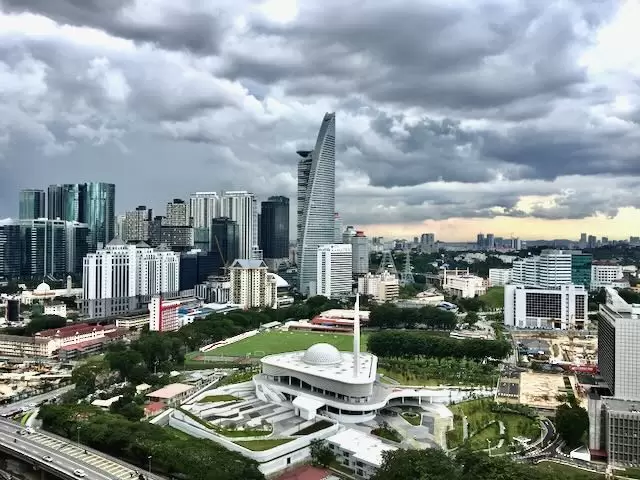
Supporting Malaysia’s PwD-Friendly Mosques Guidelines 2026: Practical Access Audits for Inclusive Worship Spaces
Disability access Malaysia | PwD-friendly mosques Malaysia | OKU-friendly surau guidelines 2026 | Universal design mosques Malaysia | Barrier-free religious buildings | Wheelchair access audit Malaysia | Accessibility consultant services Malaysia Sydney Perth
The Malaysian Government is taking positive, proactive steps to enhance inclusion in religious spaces. On February 7, 2026, Minister in the Prime Minister’s Department (Religious Affairs) Dr Zulkifli Hasan announced that national guidelines are being drafted to implement disability-friendly facilities in all mosques and surau across the country.
These guidelines are being developed under the Action Plan of Religious Agencies for Muslim PwDs, following constructive discussions with stakeholders. While some mosques already feature basic accessibility elements, the initiative aims to ensure consistent, meaningful access for all worshippers, aligning with Malaysia’s broader commitment to universal design and inclusion (Bernama, February 7, 2026; The Sun Malaysia, February 8–11 coverage).
This forward-thinking effort supports the upcoming Persons with Disabilities Act 2008 amendments and Malaysia’s obligations under the CRPD (ratified 2010). It helps create welcoming environments for worshippers with mobility, visual, or hearing needs, as well as elderly members, families, and visitors during Ramadan, Hari Raya, and other occasions.
The Positive Impact of Inclusive Religious Spaces
Mosques and surau are central to community life – places of prayer, learning, and connection. Improved accessibility features such as:
- Ramps (1:12 gradient) and wider doorways (900mm+ clear)
- Adapted ablution areas with grab bars and lowered taps
- Tactile paving, braille signage, and accessible toilets (per MS 1183)
- Designated wheelchair-friendly prayer zones
enable full participation while preserving architectural, cultural, and heritage values. These enhancements benefit the entire congregation, promoting harmony, independence, and shared community strength.
Practical Ways to Support the Guidelines: Access Audits in Action
Professional access audits offer a clear, respectful pathway to implementation. Our team at AccessConsultants.asia has delivered real-world results in this area.
Ahmad Syafiq bin Mohd Unzir (Graduate Architect, LAM AG/A 846, PAM G5078; full-time since April 2019) conducted an access audit at Masjid Jamek (Masjid Jamek Sultan Abdul Samad) in Kuala Lumpur, supported by the Persatuan Akitek Malaysia (PAM) Social and Corporate Responsibility (SCR) Committee. Syafiq visited the mosque, met with the mosque’s AJK (Ahli Jawatankuasa or committee members) to discuss accessibility opportunities, and continued discussions with Dr Norwina at a café to explore practical solutions. These collaborative efforts have contributed to significant accessibility improvements at this historic and widely visited site – a strong example of how audits can align with national goals while honouring heritage.
The full team brings complementary expertise:
- Gary Finn – Principal Architect & Qualified Access Consultant (NSW #5774, ACAA #435) – 40+ years in inclusive design, heritage, and SDA projects.
- Daniel Wong – Principal Architect & Qualified Access Consultant – 25+ years architecture, 6+ years access specialisation; conducted mosque audits in Malaysia and contributed to temple accessibility (Tze Yup Temple Glebe, proposed Cambodian temple Western Sydney).
- Chong Yee Jean – Project Architect (LAM Part I) – BIM expert (Archicad), cross-border compliance since 2019.
- Nur Syuhada Binti Che Rahimi – Architectural Executive (LAM & RIBA Part II) – SDA specialist, Archicad proficient since 2019.
These images illustrate inclusive public spaces in action – smooth pathways, barrier-free routes, and accessible features that benefit wheelchair users, families, elderly worshippers, and the wider community. The same universal design principles apply directly to mosques, surau, and community buildings.
How Mosque Committees, Architects & Owners Can Contribute
- Conduct Professional Access Audits: Baseline facilities against MS 1183/MS 1184 and anticipated guidelines – identify opportunities in entrances, ablution areas, prayer halls, and pathways.
- Implement Universal Design: Prioritise ramps, grab bars, tactile guidance, braille signage, and accessible toilets – cost-effective features that enhance usability for all.
- Engage Stakeholders: Collaborate with committees, experts, and worshippers for respectful, practical solutions.
- Partner with Accredited Consultants: Obtain reports and recommendations to support guideline rollout.
AccessConsultants.asia: Proud to Support Malaysia’s Inclusion Journey
We deliver practical, culturally sensitive accessibility consulting – tailored to Malaysian values, heritage, and multicultural communities. With the team’s combined expertise, we provide cost-effective barrier-free infrastructure solutions that align with national priorities.
The Government’s PwD-friendly mosques guidelines are a positive, forward-thinking initiative. Practical audits – as demonstrated at Masjid Jamek and beyond – help realise inclusive worship spaces for all Malaysians.
Call to Action: Ready to support national inclusion goals with an access audit for your mosque, surau, temple, or community building? Book a free wheelchair access audit consultation at AccessConsultants.asia today. Professional services available in Malaysia, Sydney, and Perth – together we build welcoming spaces.
Sources: Bernama (Feb 7, 2026), The Sun Malaysia (Feb 8–11, 2026), team CVs and professional experience. SEO optimised for PwD-friendly mosques Malaysia, OKU-friendly surau guidelines 2026, universal design mosques Malaysia, Masjid Jamek accessibility audit, barrier-free religious buildings 2026.
Rube Goldberg Architecture: When Overcomplication Meets Inclusive Design in Malaysia
- Details
- Parent Category: Legislation
Imagine a building where opening a door doesn't just swing a panel—it triggers a gentle cascade: a marble rolls down a ramp, nudges a lever, releases a soft pulley system, and finally illuminates a welcoming light for a wheelchair user at the entrance. Overly complicated? Perhaps. But in the spirit of Rube Goldberg—the legendary American cartoonist famous for his delightfully convoluted machines that perform the simplest tasks—this kind of playful complexity can spark fresh thinking about accessibility and universal design in Malaysian architecture.
Rube Goldberg machines are intentionally elaborate contraptions using everyday physics (dominoes, ramps, pulleys, gravity) to achieve basic goals like turning on a light or pouring coffee. While real buildings rarely incorporate literal chain reactions (safety and efficiency rule the day), the philosophy behind them—creative problem-solving, sequential thinking, and delight in motion—offers valuable lessons for architects and developers crafting inclusive spaces in Malaysia.
Why Rube Goldberg Thinking Matters for Malaysian Inclusive Design
In Malaysia, the built environment must serve everyone: the over 821,000 registered OKU (Orang Kurang Upaya), elderly residents, families with young children, and visitors alike. The current standard, MS 1184:2014 – Universal Design and Accessibility in the Built Environment – Code of Practice (Second Revision), promotes barrier-free access that benefits all users, aligning with the Persons with Disabilities Act 2008 and UBBL By-Law 34A.
Traditional approaches sometimes feel "overcomplicated" in the wrong way—retrofits added piecemeal, ramps too steep, or lifts hidden away—leading to exclusion rather than inclusion. Rube Goldberg-inspired creativity flips this: it encourages architects to think step-by-step about user journeys, ensuring every element (from tactile paving to adjustable counters) works in harmony like a well-orchestrated chain reaction.
For example:
- Entrances as "starting triggers": A level threshold with integrated tactile indicators and gentle ramps (maximum 1:12 gradient per MS 1184:2014) can "trigger" seamless access, much like the first domino in a chain.
- Circulation paths as "sequential steps": Wide corridors (minimum 1.2m clear), handrails on both sides, and visual/auditory cues create a smooth flow—preventing the "breakdowns" that frustrate OKU users.
- Interactive elements for delight: Some modern public spaces worldwide incorporate kinetic features (moving sculptures or responsive lighting) that engage users playfully while meeting accessibility needs. In Malaysia, this could inspire inclusive playgrounds or mosque courtyards with subtle, culturally sensitive motion elements that guide rather than obstruct.
Real-World Inspirations: From Whimsy to Practical Inclusion
While no Malaysian building is a full Rube Goldberg contraption, echoes appear in kinetic art installations and interactive public designs across Asia. Think of responsive facades or water features that react to movement—principles that could enhance accessible wayfinding in places like Kuala Lumpur's public plazas or university campuses.
Closer to home, our accessibility audits often reveal opportunities for "chain-reaction" improvements: one small adjustment (e.g., better signage with braille and high-contrast visuals) triggers better overall usability, just as a single pulley can set an entire machine in motion.
Lessons for Architects and Developers in Malaysia
- Embrace sequential user experience — Map journeys like a chain reaction: What happens first? How does one feature support the next? This mindset ensures compliance with MS 1184:2014 while adding delight.
- Prioritize simplicity in complexity — Rube Goldberg machines are fun because they're excessive; accessible design succeeds when "excess" complexity is stripped away, leaving elegant, intuitive solutions.
- Incorporate playfulness sensitively — In culturally rich Malaysia, interactive or kinetic elements must respect heritage (e.g., in mosques or heritage sites) while promoting inclusion for OKU.
As accessibility consultants with a dedicated presence in Kuala Lumpur, we help architects, developers, and institutions turn these ideas into reality—through audits, design guidance, and compliance reports that blend MS 1184:2014 with practical, cost-effective retrofits.
Ready to Build More Inclusive Spaces?
Whether you're designing a new school, retrofitting a commercial building, or upgrading a public facility, let's create environments where every "step" leads to inclusion—not exclusion. Contact us for a free initial consultation.
In the end, true universal design isn't about overcomplication—it's about making the simple act of participation effortless and joyful for everyone in Malaysia. Let's chain-react toward a more inclusive built environment.
Team Expertise Spotlight – AccessConsultants.asia
- Details
Team Expertise Spotlight – AccessConsultants.asia
At AccessConsultants.asia, our dedicated team of five full-time experts combines extensive architectural knowledge, specialised access consulting skills, and proven experience in delivering inclusive, compliant spaces across Malaysia, Sydney, and emerging markets in Perth.
We proudly support Malaysia’s national commitment to inclusion – including the Persons with Disabilities Act 2008 amendments, PwD-friendly mosques and surau guidelines, and broader universal design efforts – through practical, culturally sensitive audits and retrofits. Our work respects Malaysia’s rich multicultural fabric, including strong Chinese communities, and extends to religious and community buildings such as mosques, temples, and heritage sites.
Gary Finn – Principal Architect & Qualified Access Consultant NSW Architect #5774 | ACAA #435 With over 40 years of experience, Gary leads the team with expertise in inclusive design, Specialist Disability Accommodation (SDA), group homes, and heritage projects. His pragmatic skills – quick sketches, performance solutions, on-site inspections, and builder guidance – ensure cost-effective, high-quality outcomes. Gary’s leadership drives our cross-border audits and compliance work, supporting Malaysia’s accessibility goals while expanding in Perth.
Daniel Wong – Principal Architect & Qualified Access Consultant Diploma in Access Consulting (2017) Daniel brings 25+ years in architecture and 6+ years specialising in access consultancy, with a special interest in inclusive and equitable design, housing for seniors and people with disabilities, and accessibility master planning. He has extensive experience across project types (commercial offices, shopping malls, residential developments, medical centres, religious facilities, and community centres) in both Malaysia (1997–2013) and Australia (2014–present). Daniel has conducted mosque audits in Malaysia and contributed to temple projects, including accessibility improvements at Tze Yup Temple in Glebe (Sydney’s historic Chinese temple) and design input for a proposed Cambodian temple in Western Sydney. His ability to provide rapid solutions, performance-based approaches, and on-site remedies adds exceptional value to multicultural and religious building projects.
Chong Yee Jean – Project Architect (Part I) Degree of Architecture (LAM Part I) Full-time since 2019, Yee Jean has delivered 10+ residential and SDA projects in Australia from concept to completion, with strong expertise in BIM-based documentation (Archicad), authority submissions (NCC, SEPP, DCP, LEP), and cross-border coordination. She has successfully managed Australian submissions and Malaysian local authority submissions for residential renovations, ensuring compliance with UBBL 1984 while applying accessibility and safety focus. Yee Jean’s remote coordination skills make her ideal for supporting inclusive developments in Malaysia’s diverse communities.
Nur Syuhada Binti Che Rahimi – Architectural Executive (Graduate Architect, LAM & RIBA Part II) Master of Architecture Full-time since May 2019, Syuhada brings 7+ years specialising in disability accommodation, residential, and childcare projects under Australian regulations, aligned with Malaysian standards (MS 1184:2014). Highly proficient in Archicad BIM workflows, she has delivered 10+ completed SDA projects, prepared Special Disability Reports for NDIS, and improved efficiency across 15+ projects through remote coordination and international standards. Syuhada’s adaptability supports seamless, compliant designs for Malaysia’s multicultural and religious spaces.
Ahmad Syafiq bin Mohd Unzir – Graduate Architect (LAM AG/A 846, PAM G5078) Master of Architecture (LAM & RIBA Part II) | Certificate IV in Access Consulting equivalency Full-time since April 2019, Syafiq has 7+ years in architectural design, documentation, and accessible architecture. He conducted an access audit at Masjid Jamek (Masjid Jamek Sultan Abdul Samad) in Kuala Lumpur, supported by the Persatuan Akitek Malaysia (PAM) Social and Corporate Responsibility (SCR) Committee. Syafiq met with the mosque’s AJK (Ahli Jawatankuasa) to discuss accessibility, continued discussions with Dr Norwina, and contributed to significant improvements at this historic site. His skills in BIM (Archicad 22–27), performance solutions, and compliance (Australian NCC, MS 1184, AS 1428.1) make him a key contributor to mosque and community audits. He has completed hundreds of desktop disability access audits and performance solution reports for a large arrary of Australian projects.
Together, our team delivers practical wheelchair access audits, universal design retrofits, and compliance solutions that respect Malaysia’s cultural diversity – including strong Chinese communities – and heritage sensitivities. From mosque audits in Kuala Lumpur to temple accessibility in Sydney (Tze Yup Temple Glebe) and proposed Cambodian temple designs in Western Sydney, we bring proven expertise to religious and community buildings.
Ready to support Malaysia’s inclusion goals? Book a free consultation for your mosque, temple, community centre, or project at AccessConsultants.asia today – professional services in Malaysia, Sydney, and Perth.